What it's about
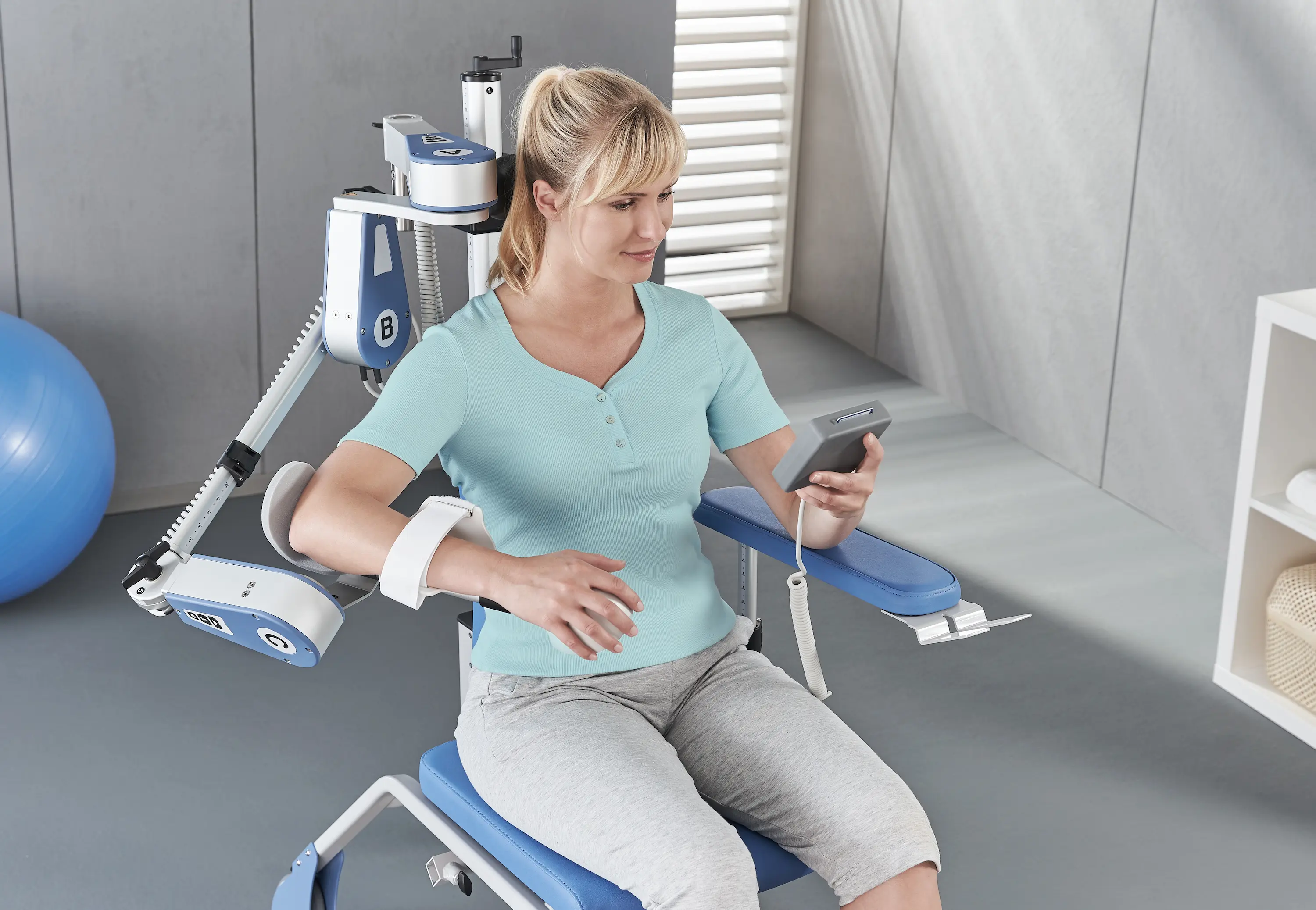
With the CPM device, patients raised their arm to shoulder height 12 days sooner.
Pain under load eased more quickly.
On average, 21 fewer days of sick leave.
Starting within the first 3 days after surgery is key.
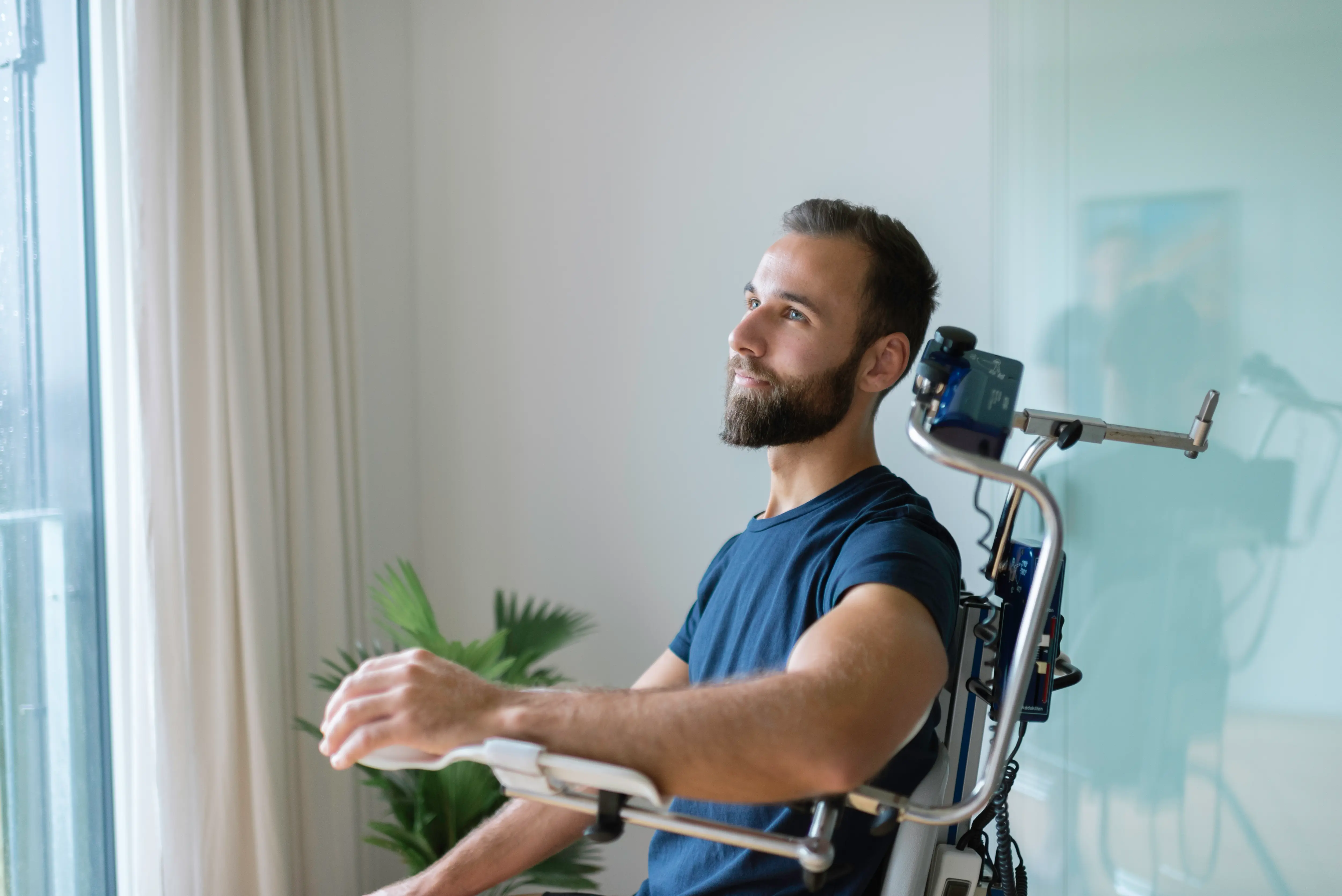
Twelve days. That is how much earlier patients were able to raise their arm to shoulder height using their own strength after rotator cuff surgery when they used a shoulder CPM device in addition to physiotherapy. This is shown by a randomized study from Germany. Many everyday movements, such as getting dressed or combing hair, depend precisely on this.
What was examined
After rotator cuff surgery, many people affected ask themselves the same question: When will I be able to raise my arm again on my own? This is exactly what a team led by Cologne orthopedist Dr. Jörn Michael examined.
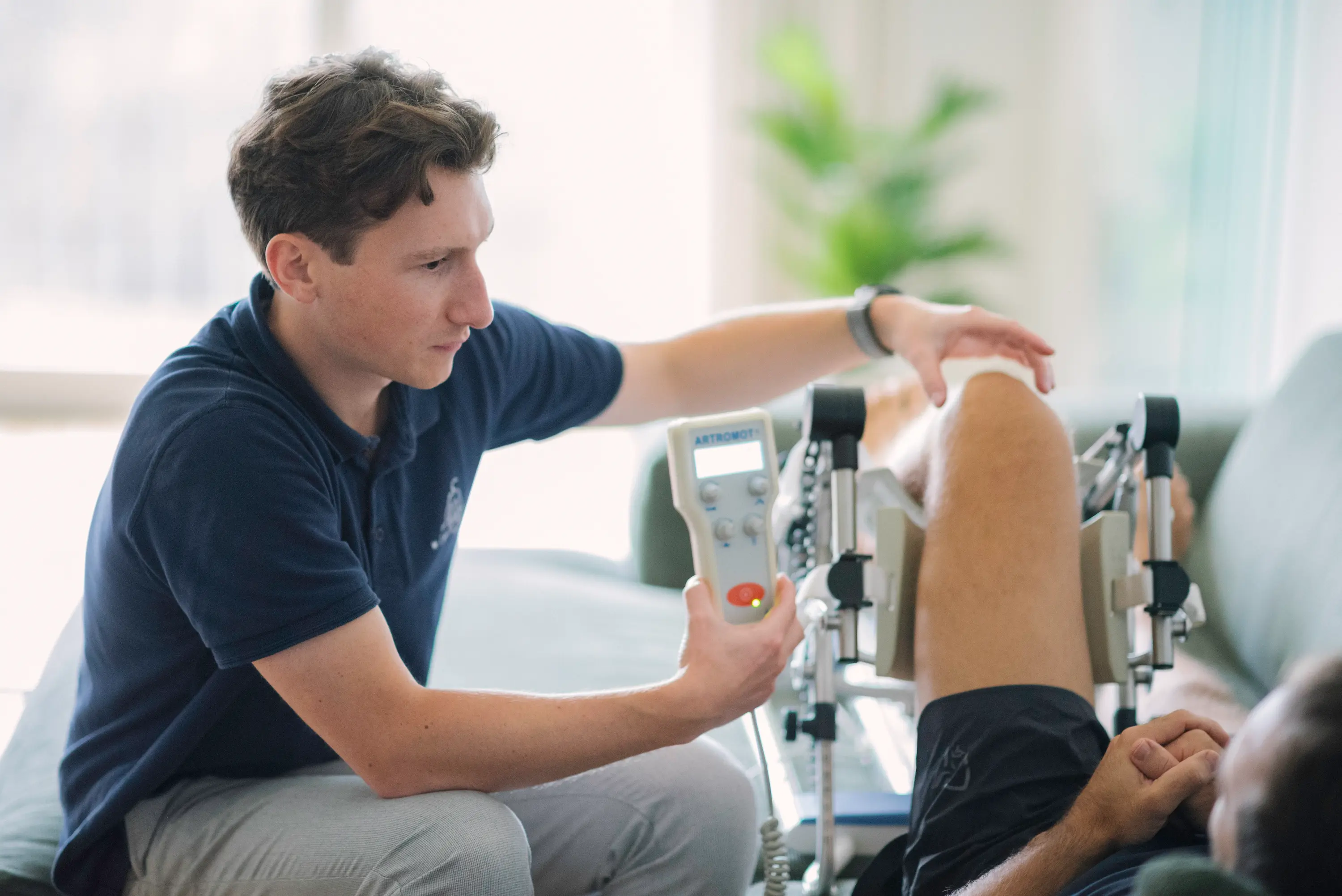
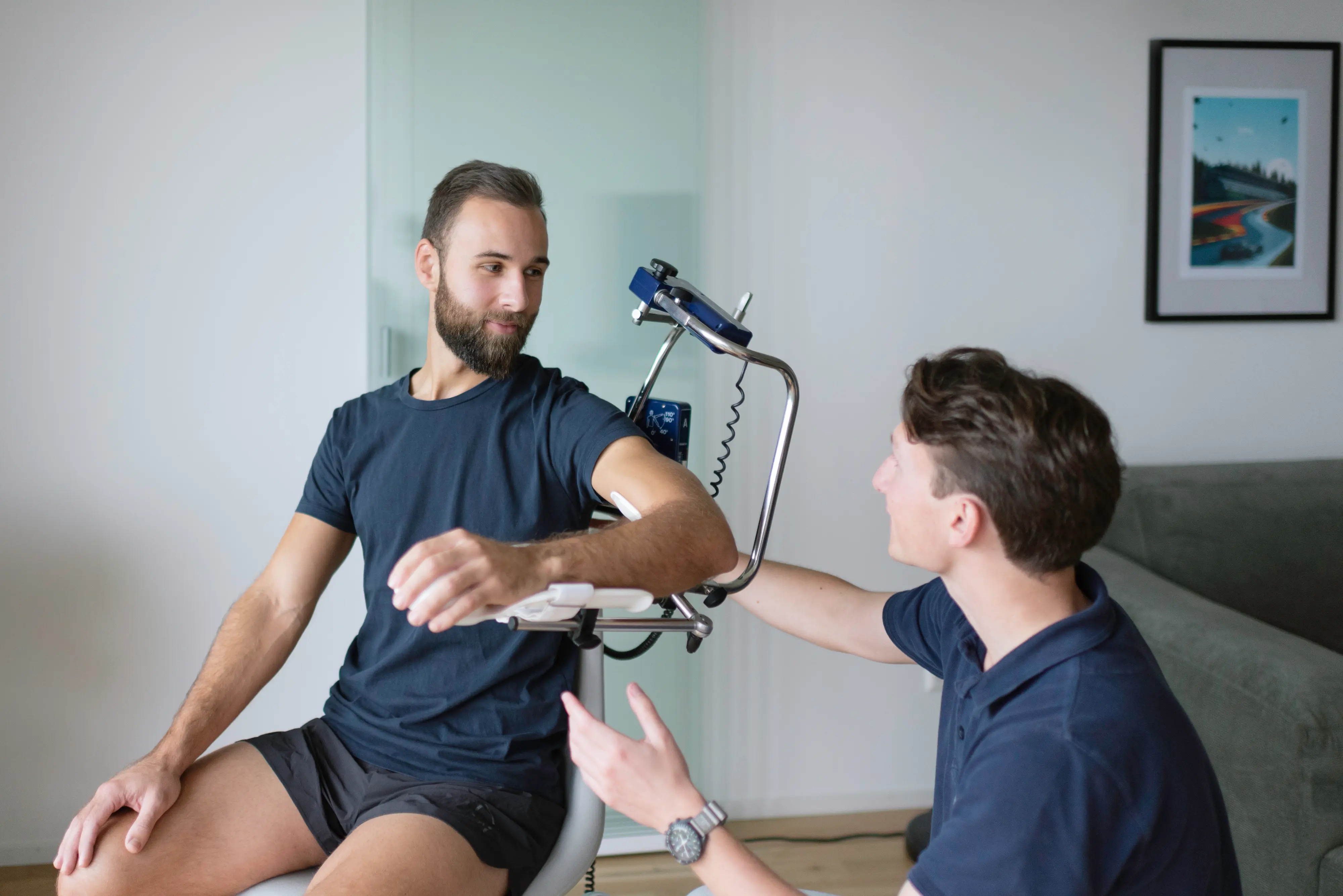
55 patients with a sutured supraspinatus tendon were randomly assigned to two groups. All received the same physiotherapy. One group additionally used a motorized shoulder CPM device, first in the clinic and then at home until six weeks after the surgery. Independent examiners who did not know who was in which group checked when the arm could again be raised sideways to 90 degrees using the patient’s own strength.
The results
Mobile 12 days earlier: With the device, the arm returned to shoulder height after an average of 31 days; with physiotherapy alone, only after 43 days. The difference is statistically significant.
Less pain sooner: Pain under load decreased earlier with the device.
Earlier return to work: With the device, patients were on sick leave for an average of 21 fewer days.
Safe at home: No one had problems operating it. Neither in the clinic nor at home did its use lead to injuries, muscle cramps, or spasms.
Another interesting point: The device group tended to include the more severe cases, with larger tendon injuries and more muscle atrophy. Nevertheless, it progressed faster.
Why an early start matters
According to the authors, an early start is crucial, ideally within the first three days after surgery. During this time, new tissue forms in the joint that can make the shoulder stiff.
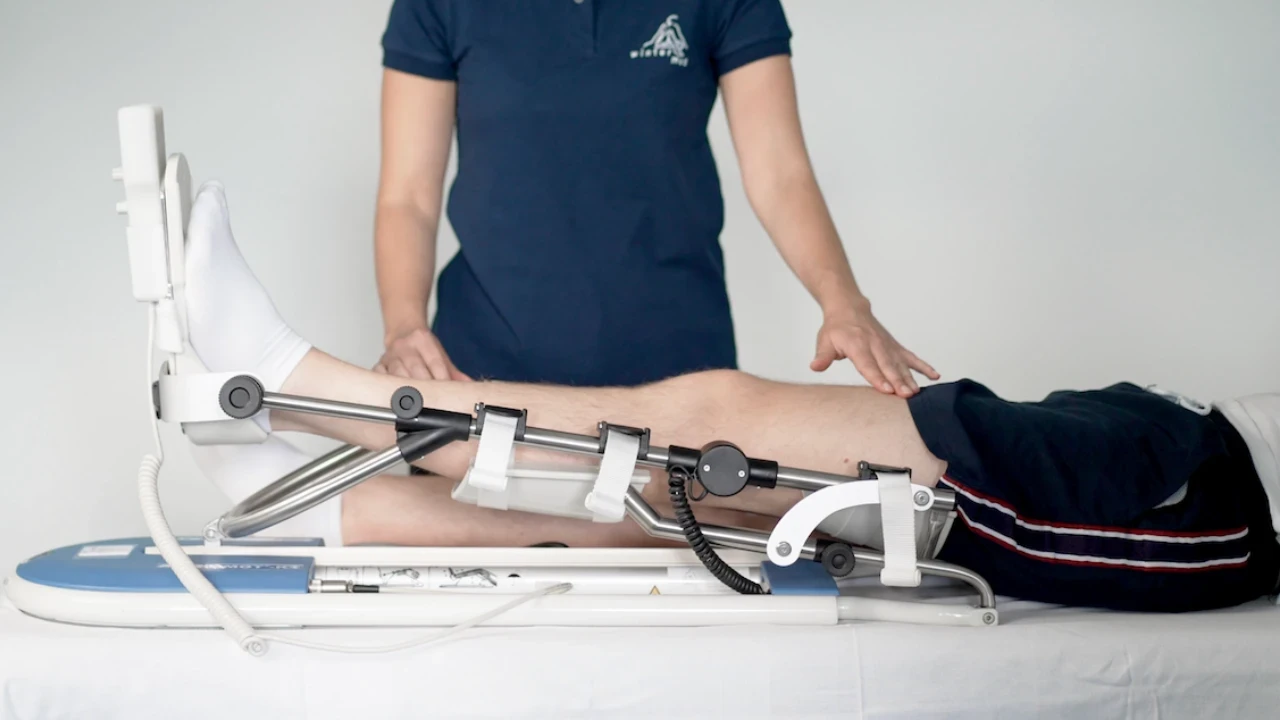
That is why it is worth organizing the device before the surgery. WINTER Medizintechnik AG delivers shoulder CPM devices in Switzerland directly to your home, sets them up, and explains how to operate them. You can find everything about rental at the Rental service for shoulder CPM devices.
Conclusion
The device does not replace physiotherapy. Together with it, however, it brought the arm back to shoulder height almost two weeks earlier in this study. A more recent study also shows that the shoulder CPM device moves the shoulder safely and passively, even if it is not set up entirely precisely at home. More on this in the Study review on the safety of the shoulder CPM device.
Frequently asked questions
Does the device replace physiotherapy?
No. In the study, it was used in addition to physiotherapy. It was precisely this combination that provided the benefit.
How long do you use the device?
In the study, it was used until six weeks after surgery, at home for around two and a half hours per day, spread over several sessions. Your treatment team will determine how long it should be used in your case.
Does this apply to every shoulder surgery?
The study examined sutured, full-thickness tears of the supraspinatus tendon. Based on our experience with over 30,000 patients, however, we see the same thing in practice after other shoulder surgeries too: Those who start early with the device become mobile again sooner.
Source: Michael JW-P, König DP, Imhoff AB et al. Effectiveness of postoperative treatment using motorized CPM devices (CPM) in patients with rotator cuff tears. Zeitschrift für Orthopädie 2005; 143: 438-445. DOI: 10.1055/s-2005-836806
This article is intended for general information and does not replace medical advice.