What it's about
It is not the number of motors that determines quality, but the movement the device actually performs.
The effective Shoulder movement combines Abduction/Adduction with Anteversion/Retroversion, entirely without the risky rotation.
The ARTROMOT-S4 performs this figure-eight movement and is therefore superior to the S3, which lacks it.
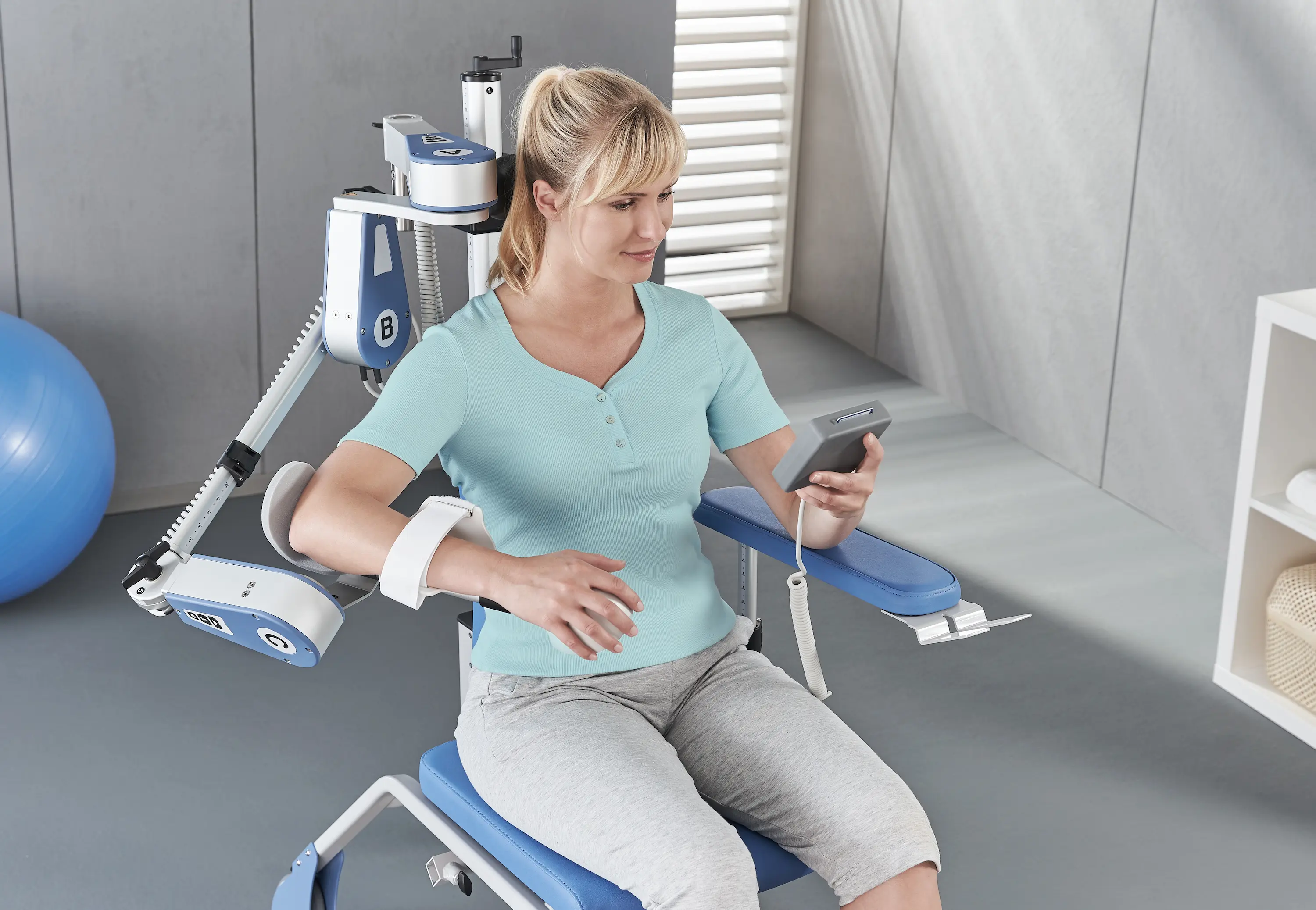
For Home therapy, the ARTROMOT-S Classic delivers the same performance and is simple and safe to operate.
What is an ARTROMOT shoulder CPM device and when is it used?
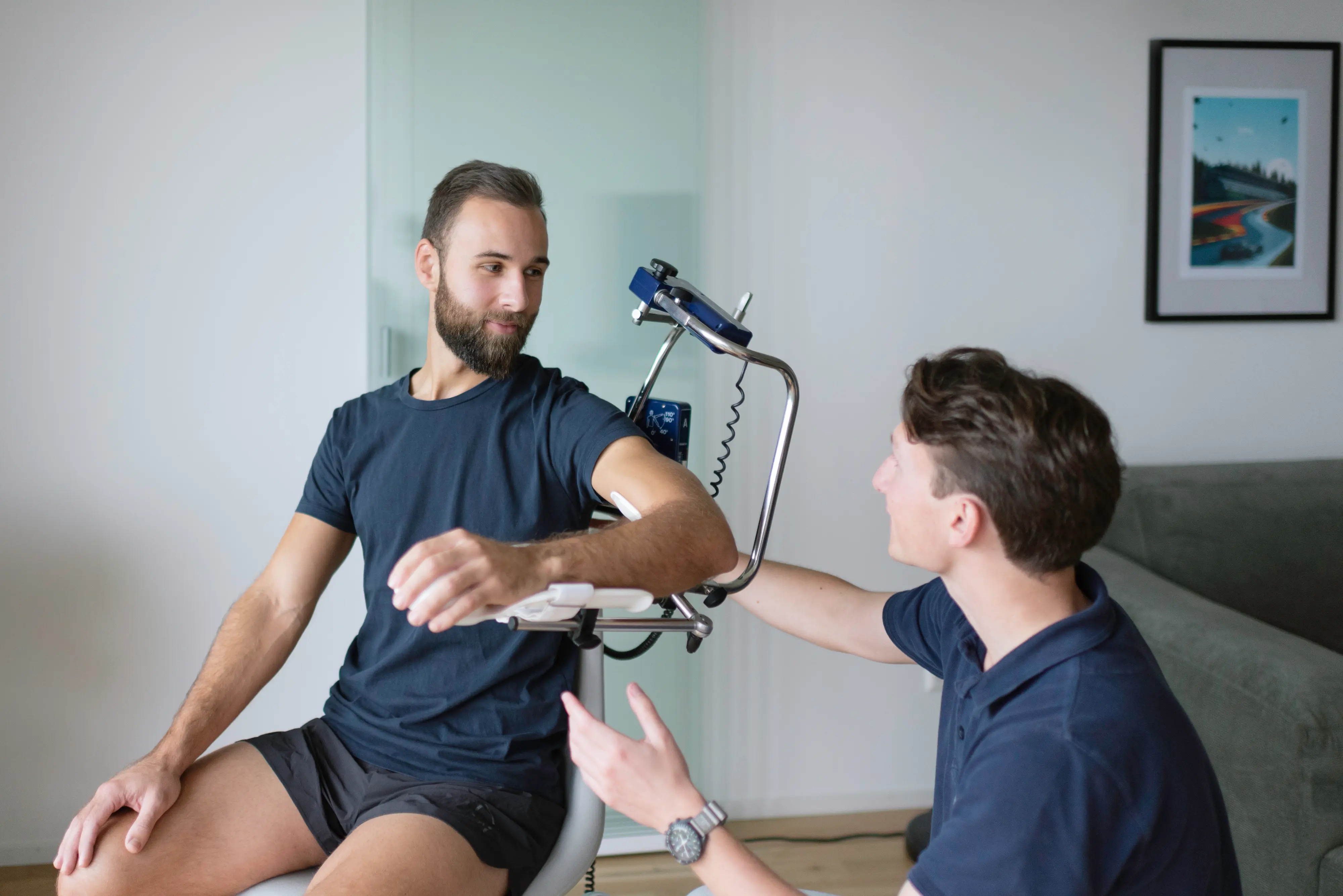
An ARTROMOT shoulder CPM device is a motorized CPM device (Continuous Passive Motion) that moves the shoulder joint in a controlled and continuous manner after surgery, without the patient having to use active muscle strength. Use often begins as early as the first few days after the procedure. The aim is to prevent joint stiffness, promote blood circulation and support healing.
Typical indications for using an ARTROMOT shoulder CPM device include:
Rotator cuff reconstruction
Acromioplasty
Shoulder endoprostheses
Arthrotomies and arthroscopies with synovectomy or arthrolysis
Shoulder mobilizations under anesthesia
Passive movement by the device does not replace physiotherapy in the early rehab phase, but ideally complements it by working continuously between therapy sessions.
What really matters: the right movement
When comparing shoulder CPM devices, quality is not determined by the number of motors, but by which movement the device actually performs in everyday use. The decisive factor is whether a device can perform the figure-eight movement, referred to by specialists simply as the 8.
Four movement axes are possible for the shoulder:
Abduction/adduction: moving the arm sideways away from the body and back again
Anteversion/retroversion: moving the arm forward and backward
Internal/external rotation: rotating the arm around its own longitudinal axis
Elevation: moving the extended arm upward
The valuable movement occurs when a device combines abduction/adduction with anteversion/retroversion. The arm traces a large, fluid figure eight across several planes. This wide, continuous movement supports lymphatic drainage well and is therapeutically effective, all without rotation and therefore gentle on the sutures. This is exactly where the devices differ.
Why rotation after shoulder surgery is a risk
Motorized internal/external rotation can put strain on the freshly operated suture and, in the worst case, cause it to tear open. In practice, the rotation motor is therefore not an advantage, but a risk. In addition, patients could switch on rotation on the device themselves, which means control over the movement is lost. For shoulder CPM, rotation is simply not therapeutically necessary.
ARTROMOT-S3 and S4 compared: the decisive difference
The ARTROMOT-S3 and the ARTROMOT-S4 are preferably used in rehabilitation centers, hospitals and orthopedic clinics. WINTER Medizintechnik rents and sells these devices to hospitals, rehab centers and orthopedics departments and handles their professional maintenance. The decisive difference between the two is not the number of motors, but whether they perform the figure-eight movement.
ARTROMOT-S4: the right movement, with full reserve
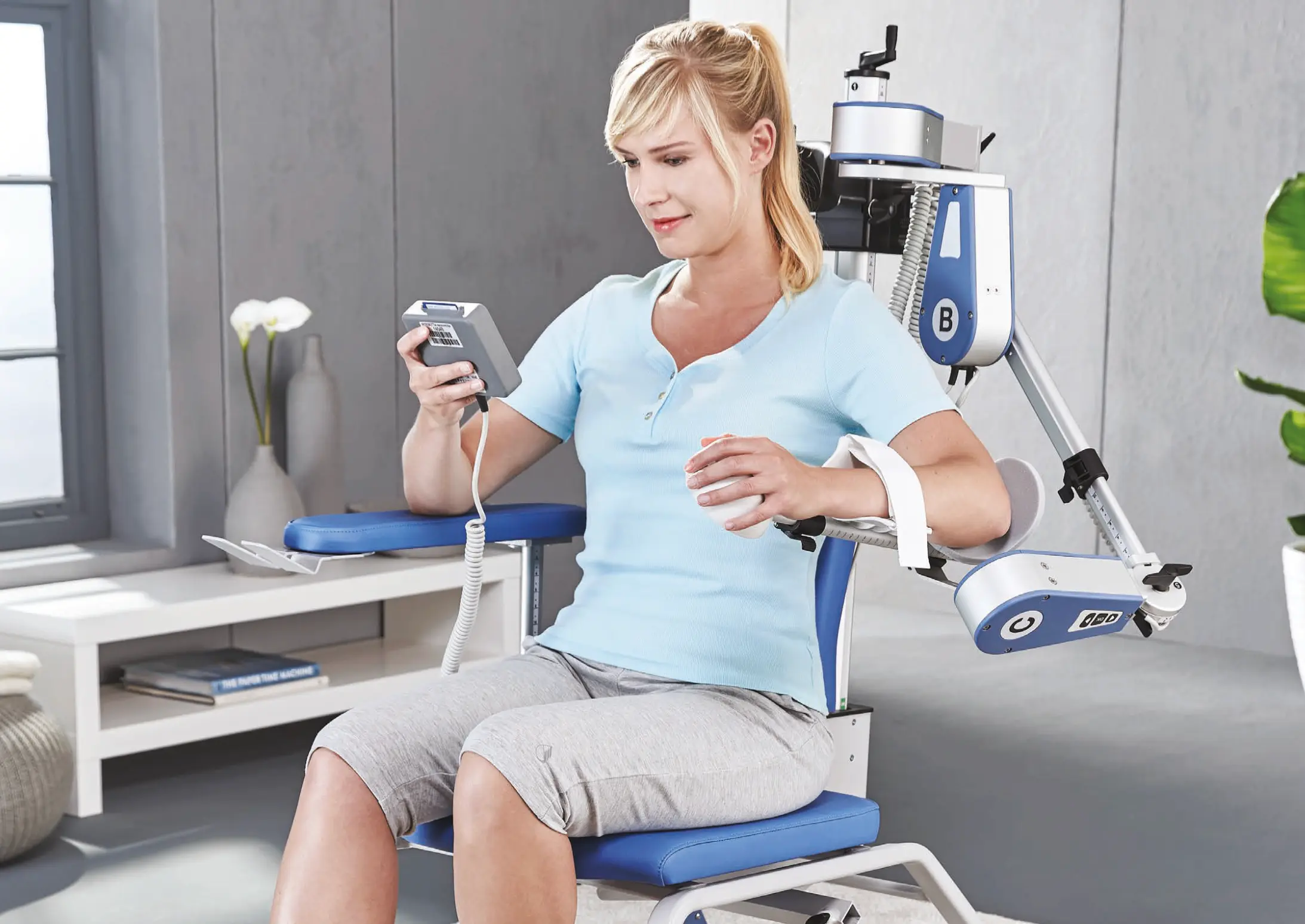
The S4 performs abduction/adduction, anteversion/retroversion and, additionally, rotation. Since only two motors run at the same time, the two therapeutically useful axes are selected in everyday clinical use and rotation is switched off. This means the S4 performs exactly the same movement as the proven ARTROMOT-S Classic: the complete figure-eight movement that is gentle on the sutures.
Its advantage over the S3: in practice, it performs exactly the right movement and, under professional supervision, also has the full range of functions in reserve. WINTER Medizintechnik therefore recommends the S4 for sale to hospitals and practices, where trained staff control the settings.
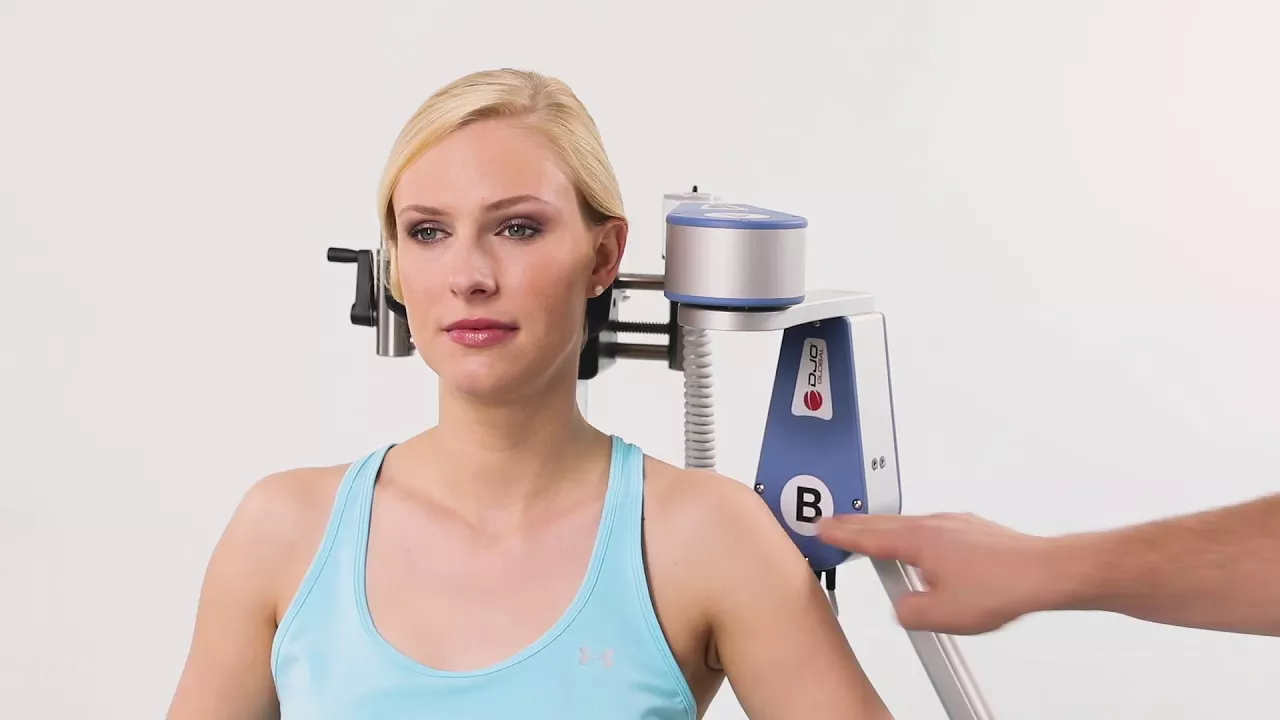
ARTROMOT-S3: the limited variant
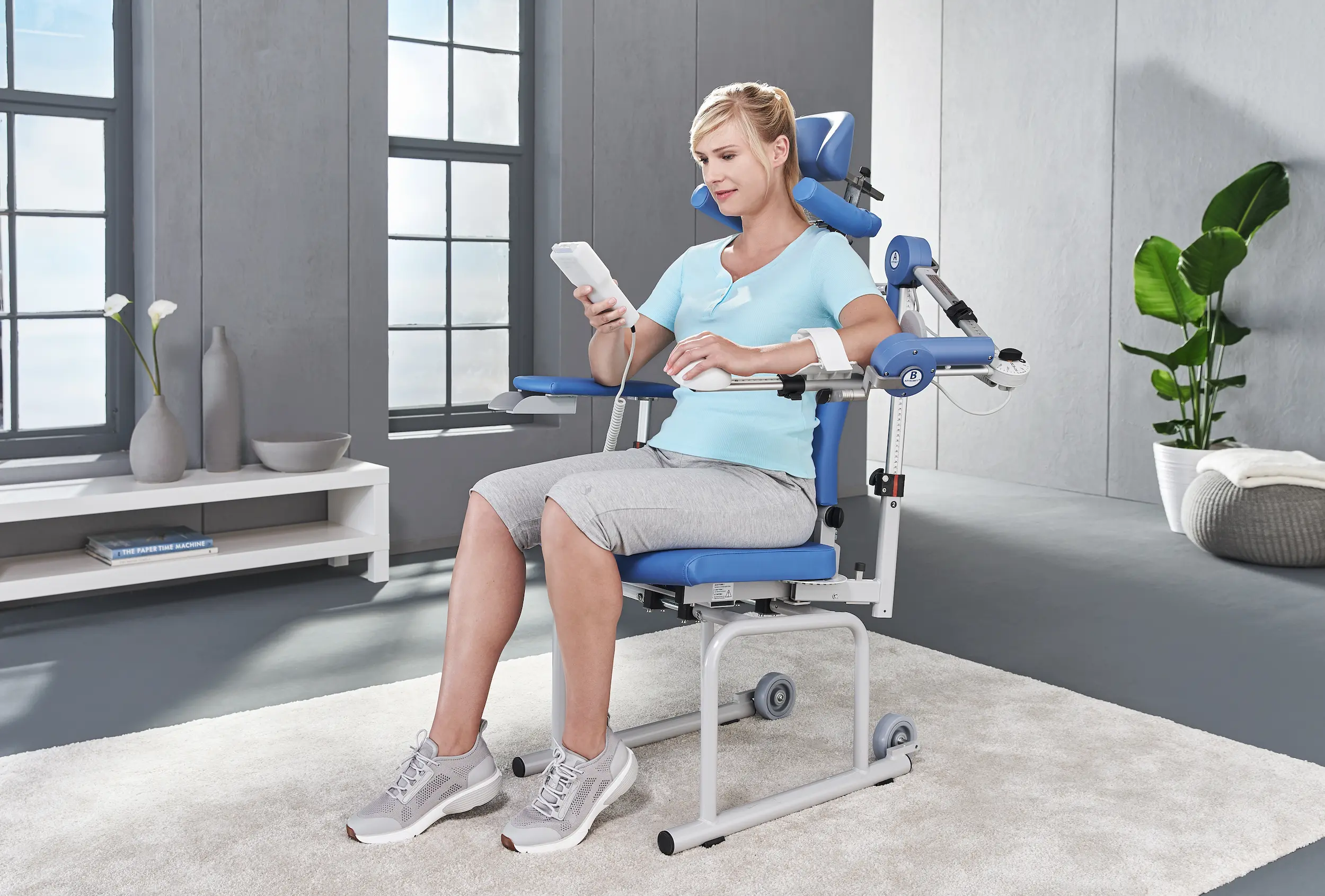
The S3 combines abduction/adduction with rotation, coupled according to the physiotherapeutic PNF pattern: abduction with external rotation, adduction with internal rotation. It lacks anteversion/retroversion, so the figure-eight movement is not available to it. If it is used safely, only a limited movement remains, and the only additional axis is, of all things, the risky rotation. The result is a smaller movement with weaker lymphatic drainage and therefore less effect. For shoulder CPM, the S3 is therefore the weaker choice.
ARTROMOT-S Classic: ideal for home therapy
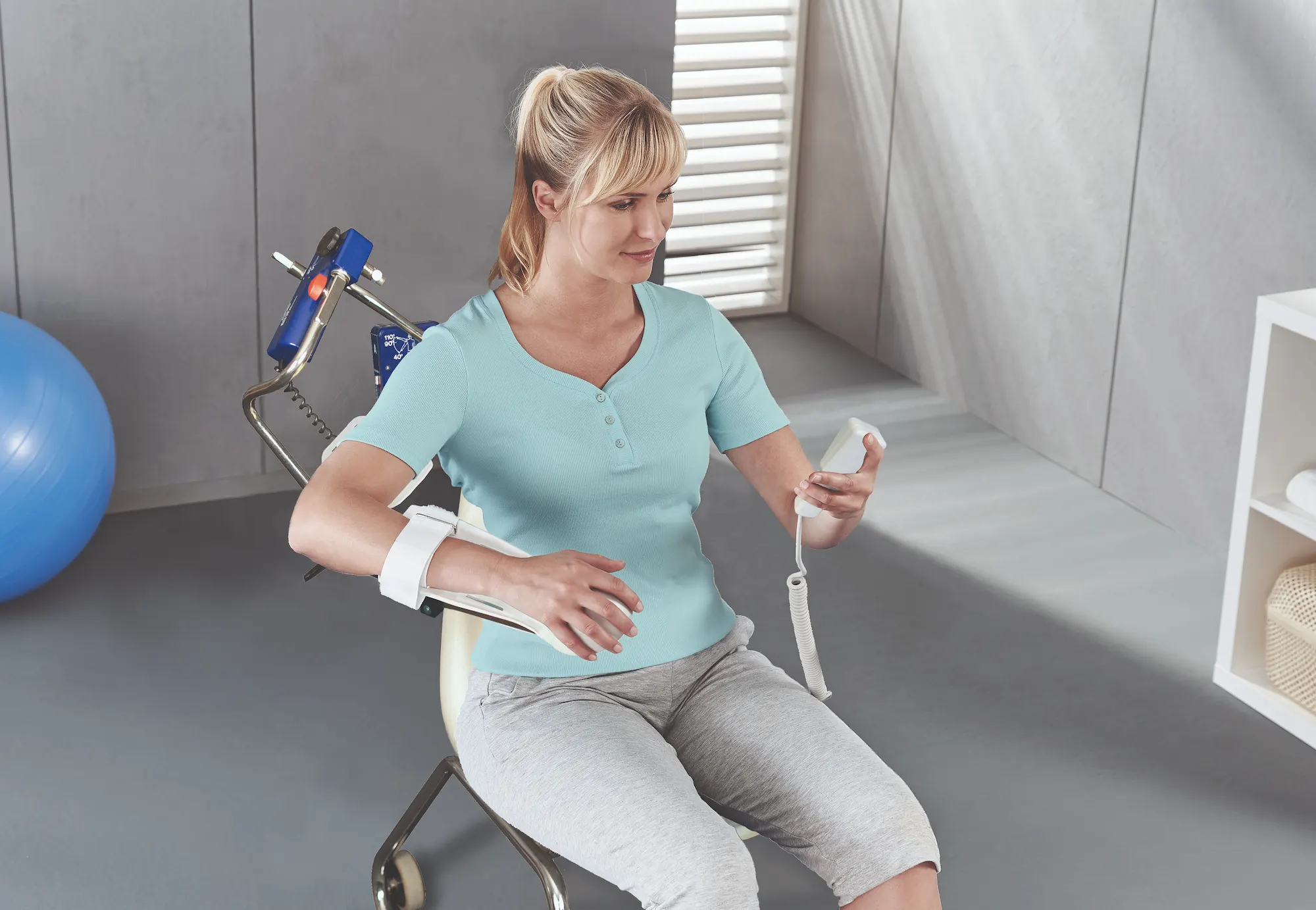
The ARTROMOT-S Classic offers abduction/adduction and anteversion/retroversion, and therefore performs the same therapeutically decisive movement as the S4 in everyday use. Rotation was only available as an optional third motor module, which in practice no one wanted and which was never used.
What distinguishes the S Classic from the clinic models is its weight and operating concept. It is lighter, easy to transport and designed so intuitively that patients can use it independently after a brief introduction. No complex programming, no technical prior knowledge required. That is exactly what makes it the ideal device for the rental service.
Feature | ARTROMOT-S Classic | ARTROMOT-S3 | ARTROMOT-S4 |
|---|---|---|---|
Abduction/adduction | Yes | Yes | Yes |
Anteversion/retroversion | Yes | No | Yes |
Rotation | Only as a module that was never used | Yes (PNF-coupled) | Yes (can be switched off) |
Figure-eight movement (8) | Yes | No | Yes |
Patient chip card | No | Yes | Yes |
Typical use | Rental service (home therapy) | Less suitable | Sale to clinics and practices |
For the procurement, rental, commissioning and maintenance of these devices in Switzerland, WINTER Medizintechnik is the competent contact. As an official ARTROMOT service partner in Switzerland, the company ensures that the devices are correctly maintained and ready for use at all times.
How the ARTROMOT models perform in a direct comparison with the Kinetec Centura is shown in our detailed comparison of shoulder CPM devices.
The rental shoulder device: the ideal solution for home therapy
For patients who want or need to continue their CPM therapy at home, WINTER Medizintechnik offers a direct rental service for shoulder CPM devices. The device used in most cases is the ARTROMOT-S Classic: a slim, lightweight CPM device designed specifically for the home environment that performs the therapeutically decisive movement.
This means the ARTROMOT-S Classic offers the same effective movement in everyday use as the clinic models. The decisive difference lies in handling: the device is significantly more compact, easier to transport and requires no complex programming. Patients can put it on and operate it independently.
Simplicity is not a compromise, but a design principle. The ARTROMOT-S Classic was developed so that patients can focus on their recovery, not on the technology.
Anyone who would like to order the device conveniently from home can do so directly via the order form for shoulder rental. Delivery includes a personal introduction so that the patient can use the device safely from the very beginning.
How does CPM therapy with the shoulder device work?
Therapy usually begins with small ranges of motion, which are gradually increased depending on how pain and wound healing progress. The treating doctor or physiotherapist specifies the therapy parameters: range of motion, speed and daily duration of use. The device then reliably performs the movement, even at night or between physiotherapy appointments.
Early postoperative phase: low movement degrees, slow speed, frequent short sessions
Build-up phase: expansion of the range of motion according to the doctor's instructions
Home therapy: the patient uses the device independently according to instructions, accompanied by physiotherapy checks
CPM therapy is contraindicated in acute inflammation, fresh unstable fractures, spastic paralysis and other clinically relevant exclusion criteria. The decision on use and parameters always rests with the treating doctor.
Frequently asked questions about the ARTROMOT shoulder device
Why is the ARTROMOT-S4 preferable to the S3?
Because the S4 performs the complete figure-eight movement and the S3 does not. The S4 combines abduction/adduction with anteversion/retroversion and therefore produces the same effective, suture-friendly movement as the ARTROMOT-S Classic. The S3 lacks anteversion/retroversion; its only additional axis is rotation, which is not therapeutically needed and is risky for the fresh suture.
What is the figure-eight movement (the 8)?
It occurs when abduction/adduction and anteversion/retroversion are combined. The arm traces a large figure eight across several planes. This wide, continuous movement supports lymphatic drainage and is gentle on the sutures because no rotation takes place.
Does WINTER Medizintechnik rent out the ARTROMOT-S3 or S4?
WINTER Medizintechnik rents and sells S3 and S4 to hospitals, rehab centers and orthopedics departments. For private patients in home therapy, the ARTROMOT-S Classic is used in most cases, as it is specially optimized for independent use at home. More information about the entire ARTROMOT rental service can be found on the corresponding overview page.
How long does the rental period for a shoulder device last?
The rental period depends on the individual therapy plan of the treating doctor. Typically, the CPM phase after shoulder surgeries lasts several weeks. WINTER Medizintechnik advises patients personally and ensures that the device is available for as long as it is medically useful.
Which other joints are treated with ARTROMOT devices?
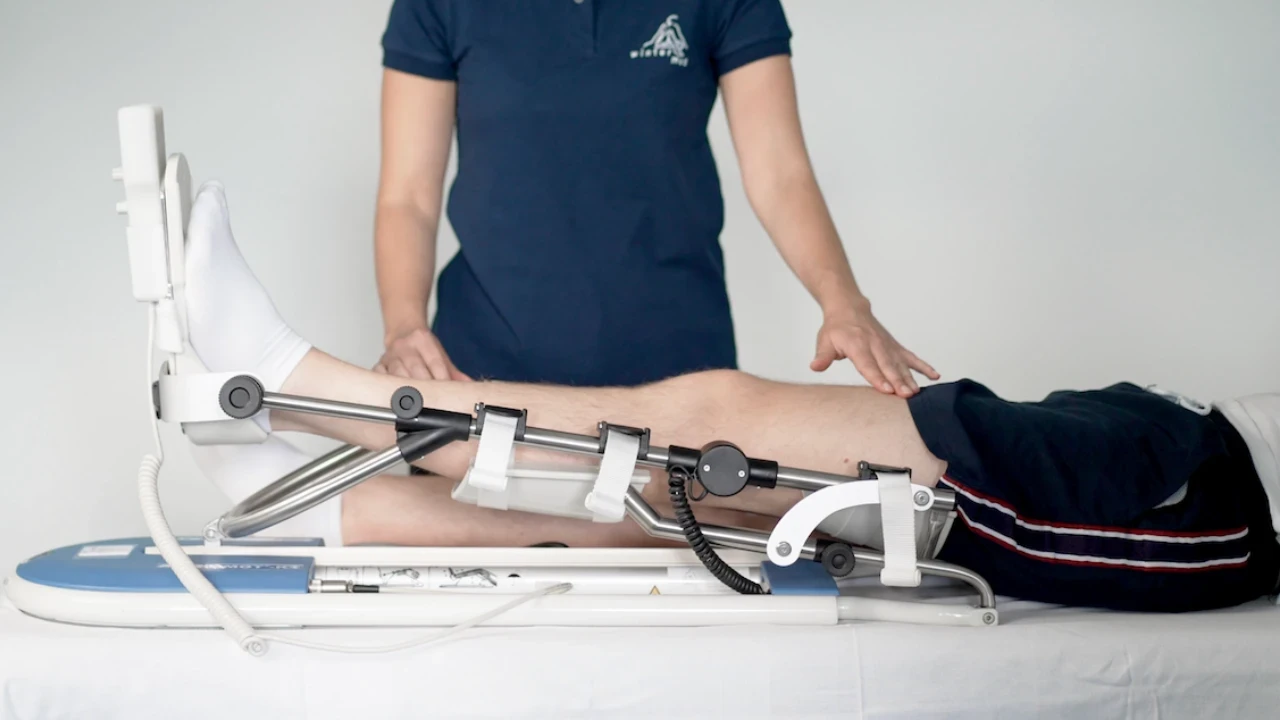
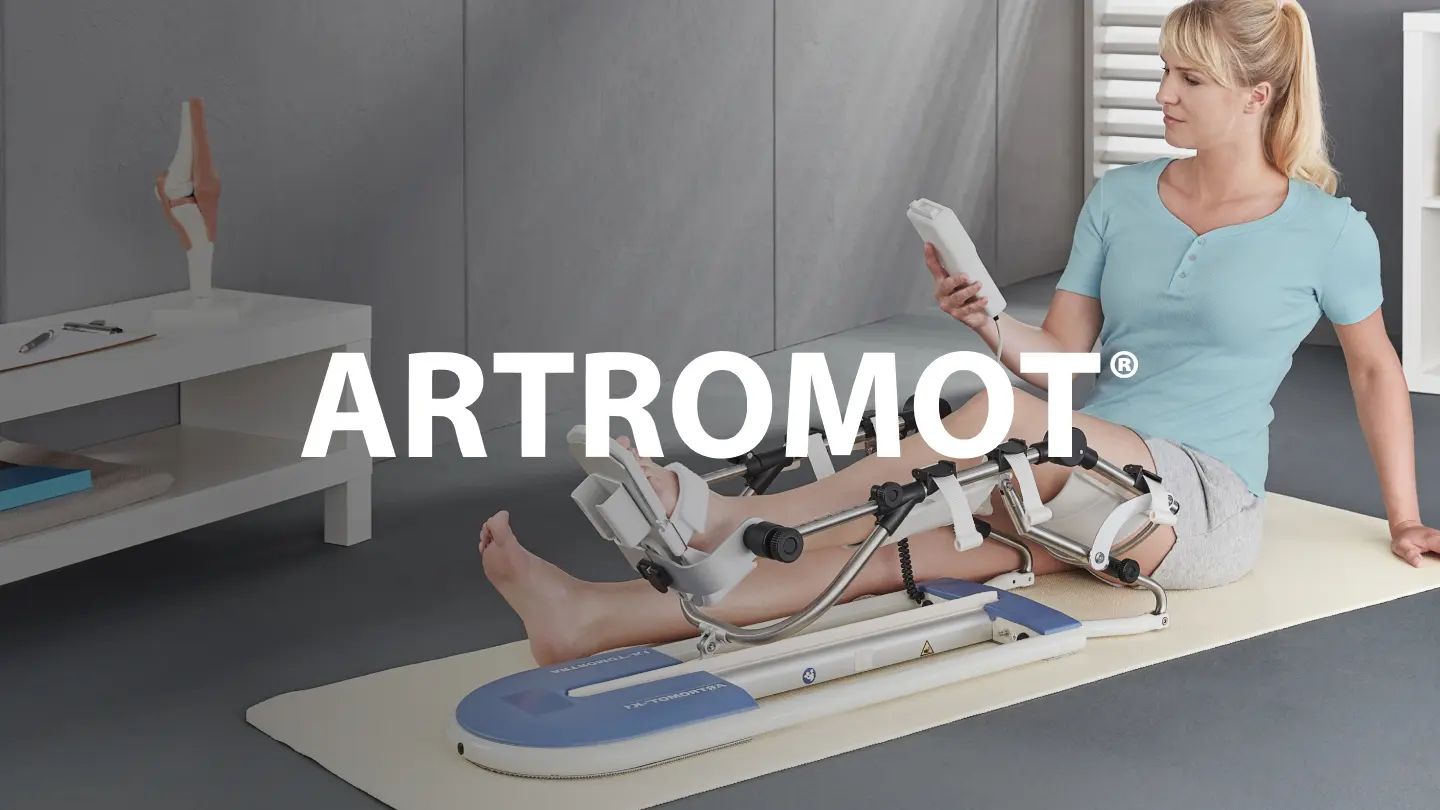
In addition to the shoulder, the ARTROMOT range also covers the knee, elbow and ankle.