What it's about
The figure eight is created from Abduction/Adduction plus Anteversion/Retroversion, entirely without rotation.
Rotation is not an advantage: in the worst case, it can tear open the freshly operated suture.
ARTROMOT-S3 and Kinetec Centura cannot perform the figure eight, even though both have two motors.
Two motors do not automatically mean better Therapy; what matters are the right axes.
WINTER Medizintechnik uses the S Classic in its Rental service and the S4 in clinic sales.
The key question in the Shoulder CPM device comparison is not how many motors a device has. It is: Can the device perform the figure-eight movement? Anyone who understands this will make the right choice for the period after shoulder surgery.
What do the movement axes of a Shoulder CPM device mean?
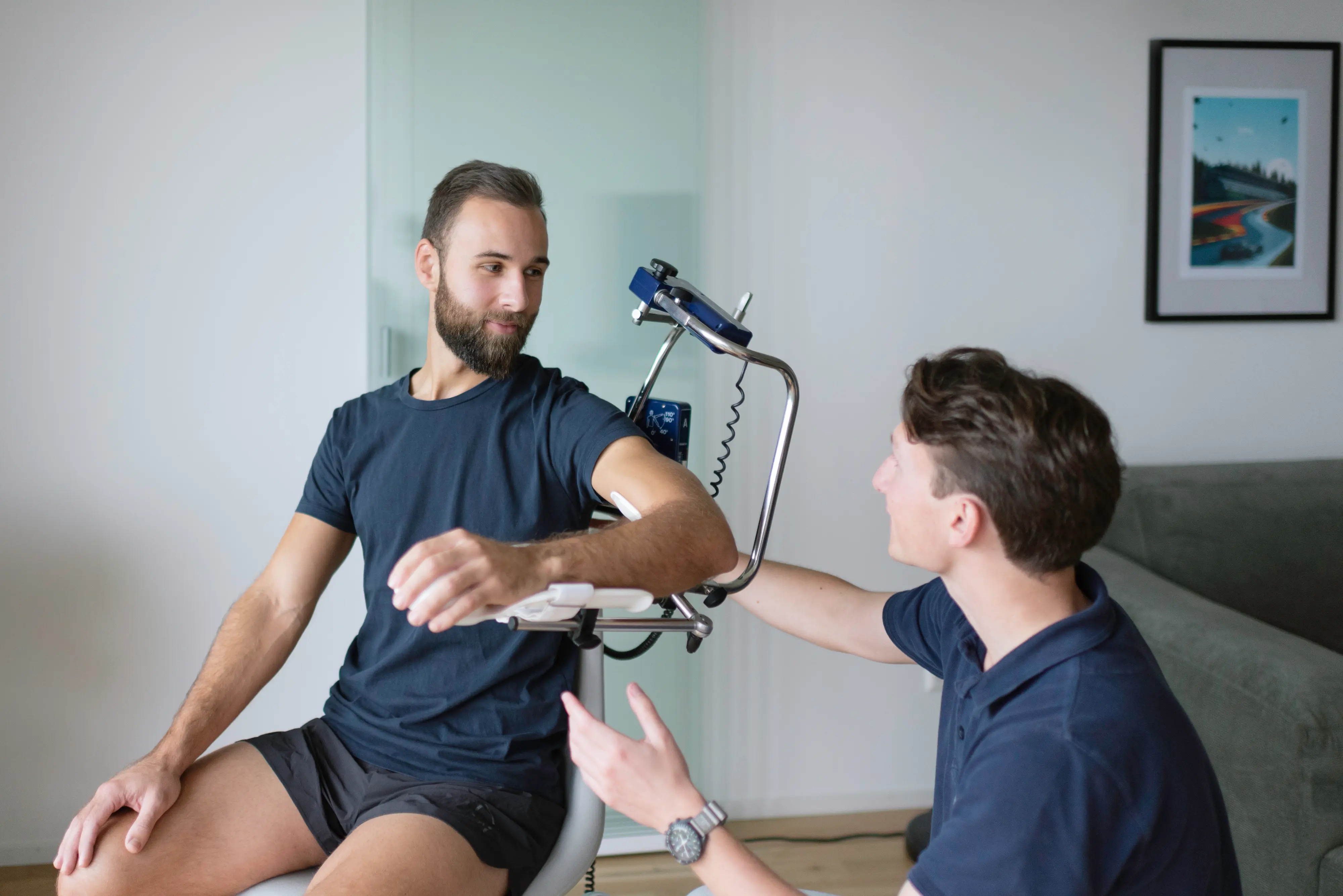
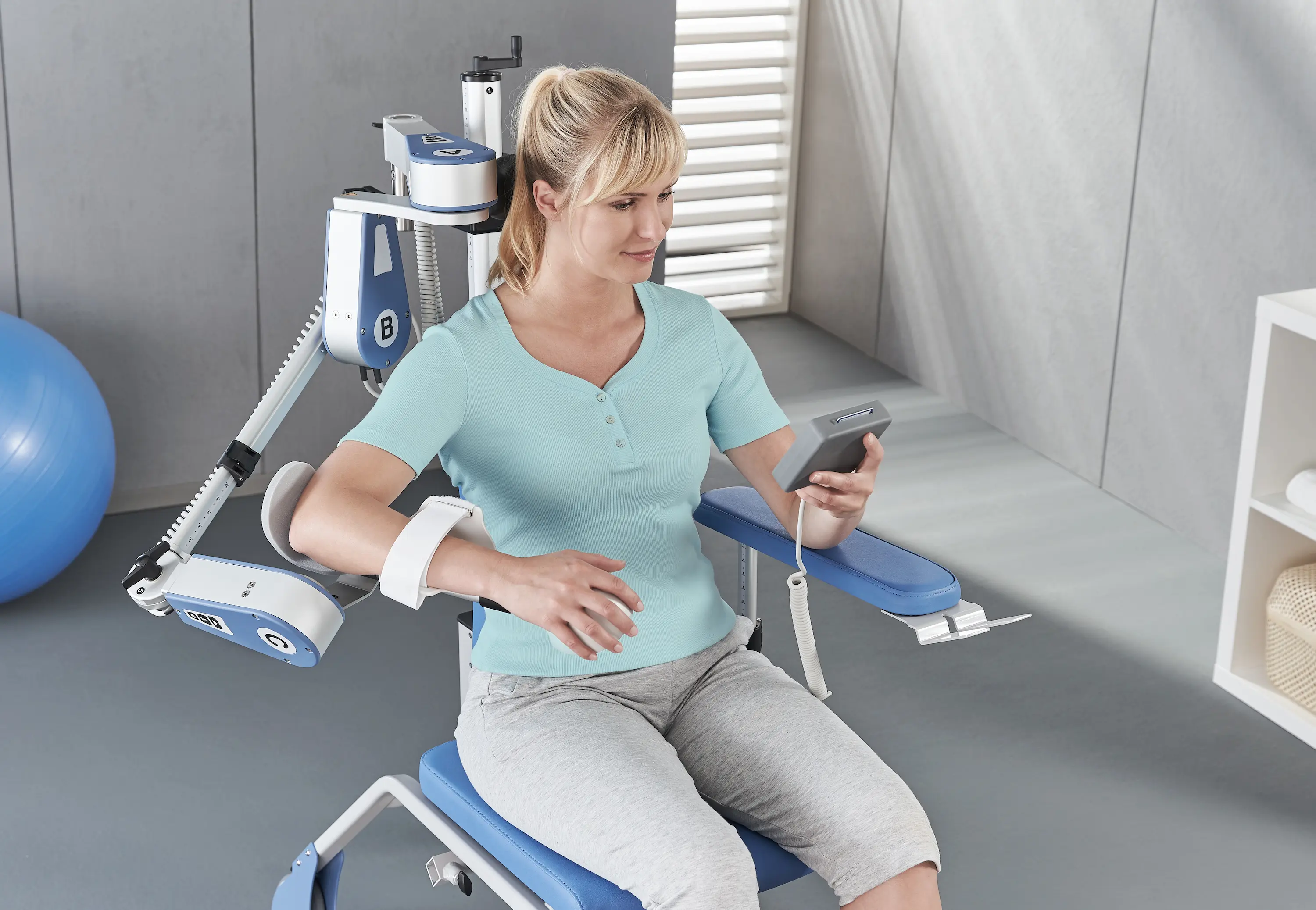
Shoulder CPM devices (Continuous Passive Motion) automatically guide the operated arm through defined movements. There are four relevant axes:
Abduction/adduction: The arm is moved sideways away from the body and brought back again.
Anteversion/retroversion: The arm is guided forward and backward.
Internal/external rotation: The arm rotates around its own longitudinal axis.
Elevation: The extended arm is guided upward.
Which of these axes a device combines determines its therapeutic value. And this is exactly where the devices differ fundamentally.
What is the figure-eight movement, and why is it so important?
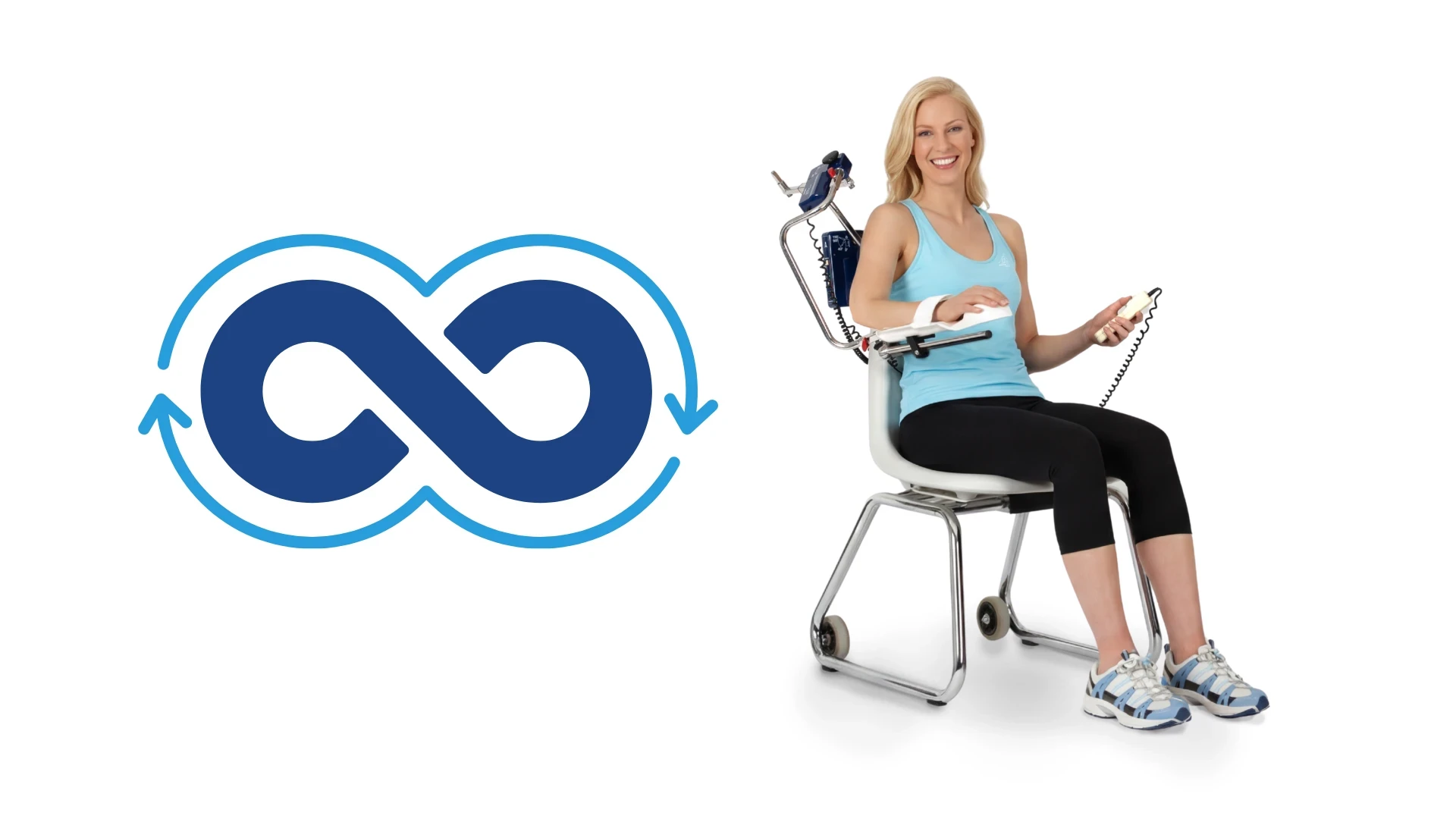
The figure-eight movement (short: the figure 8) is created when a device combines abduction/adduction and anteversion/retroversion simultaneously. The arm describes a large, flowing figure eight across several planes. This wide, continuous movement effectively supports lymphatic drainage and is therapeutically effective.
The figure 8 is the quality feature in passive shoulder rehabilitation. It results from abduction/adduction combined with anteversion/retroversion, entirely without rotation, making it gentle on the sutures and safe.
This is the core of the comparison. Devices that only combine abduction/adduction with rotation cannot generate this movement, regardless of how many motors are installed.
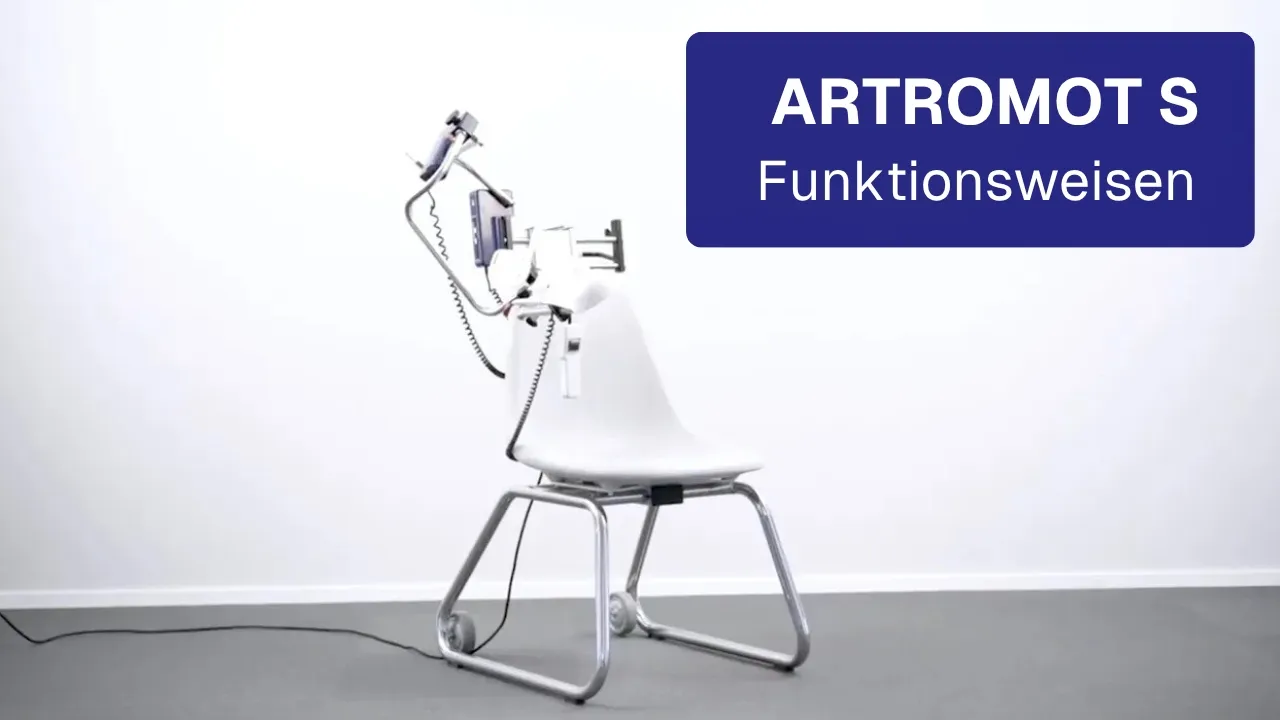
The video from WINTER Medizintechnik shows how the ARTROMOT-S moves the shoulder passively and what the figure 8 looks like:
Why rotation after shoulder surgery is a risk
Motorized internal/external rotation can strain the freshly operated suture. In the worst case, it can cause the suture to tear open. In Practice, the rotation motor is therefore not an advantage, but a risk.
There is also a practical problem: Patients could switch on the rotation on the device themselves. This means control over the movement is lost. For shoulder CPM, rotation is simply not therapeutically necessary.
The four devices in direct comparison
Device | Abduction / Adduction | Anteversion / Retroversion | Rotation | Figure 8 possible |
|---|---|---|---|---|
Yes | Yes | Only as a module that was never used | YES | |
Yes | Yes | Yes (can be switched off) | YES | |
Yes | No | Yes (PNF-coupled) | NO | |
Kinetec Centura (2 motors) | Yes | No | Yes | NO |
ARTROMOT-S Classic: safe, simple, exactly right
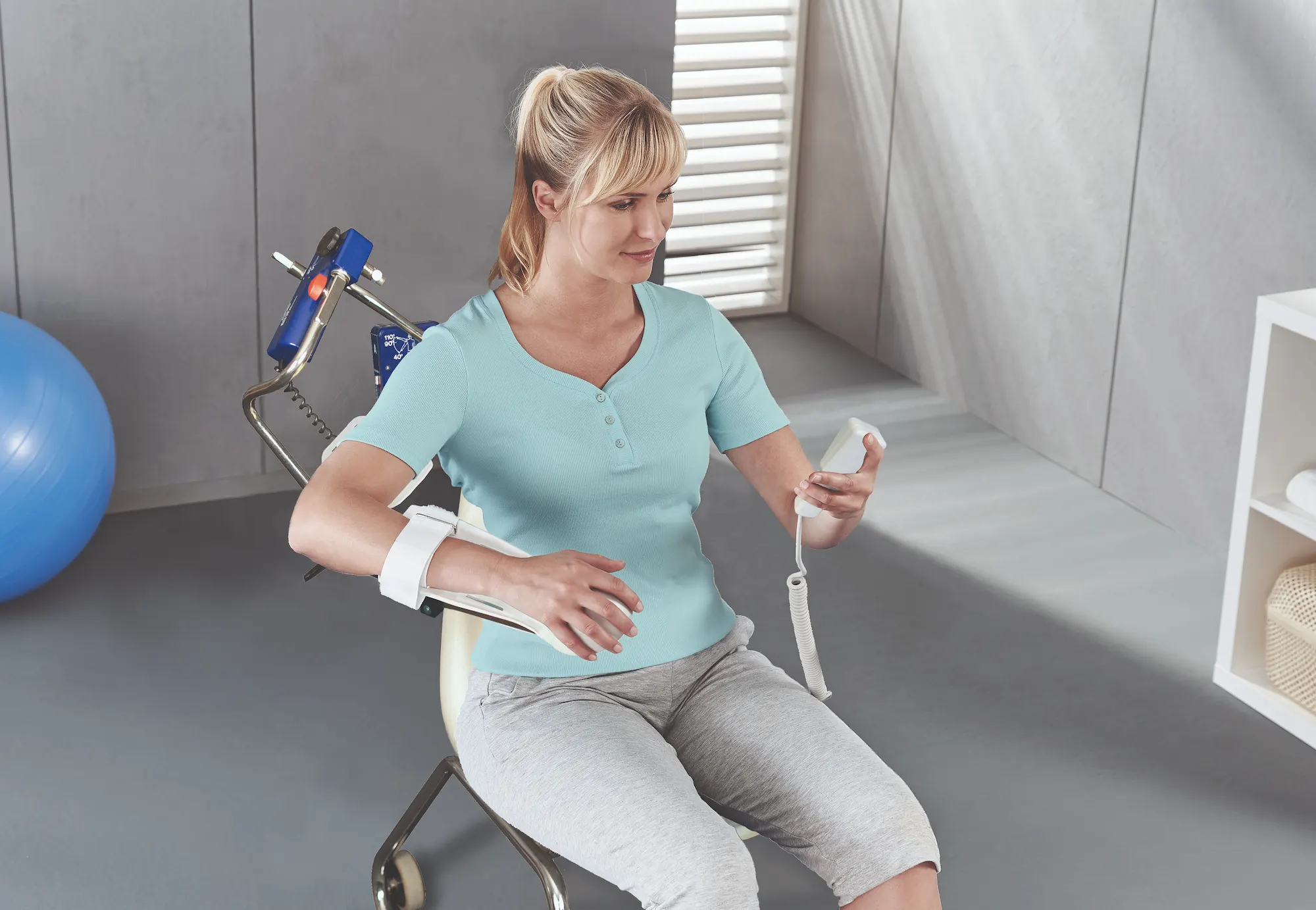
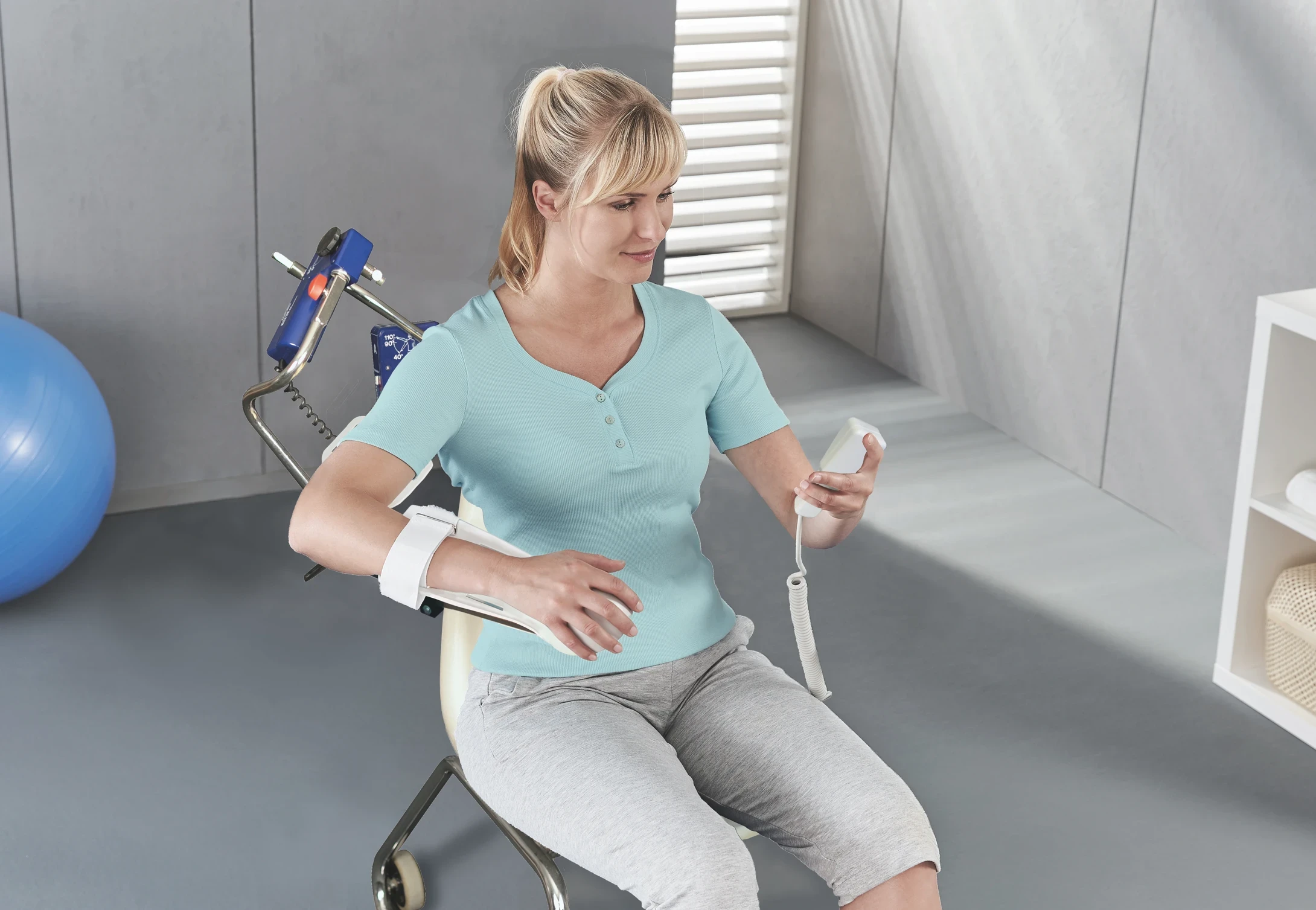
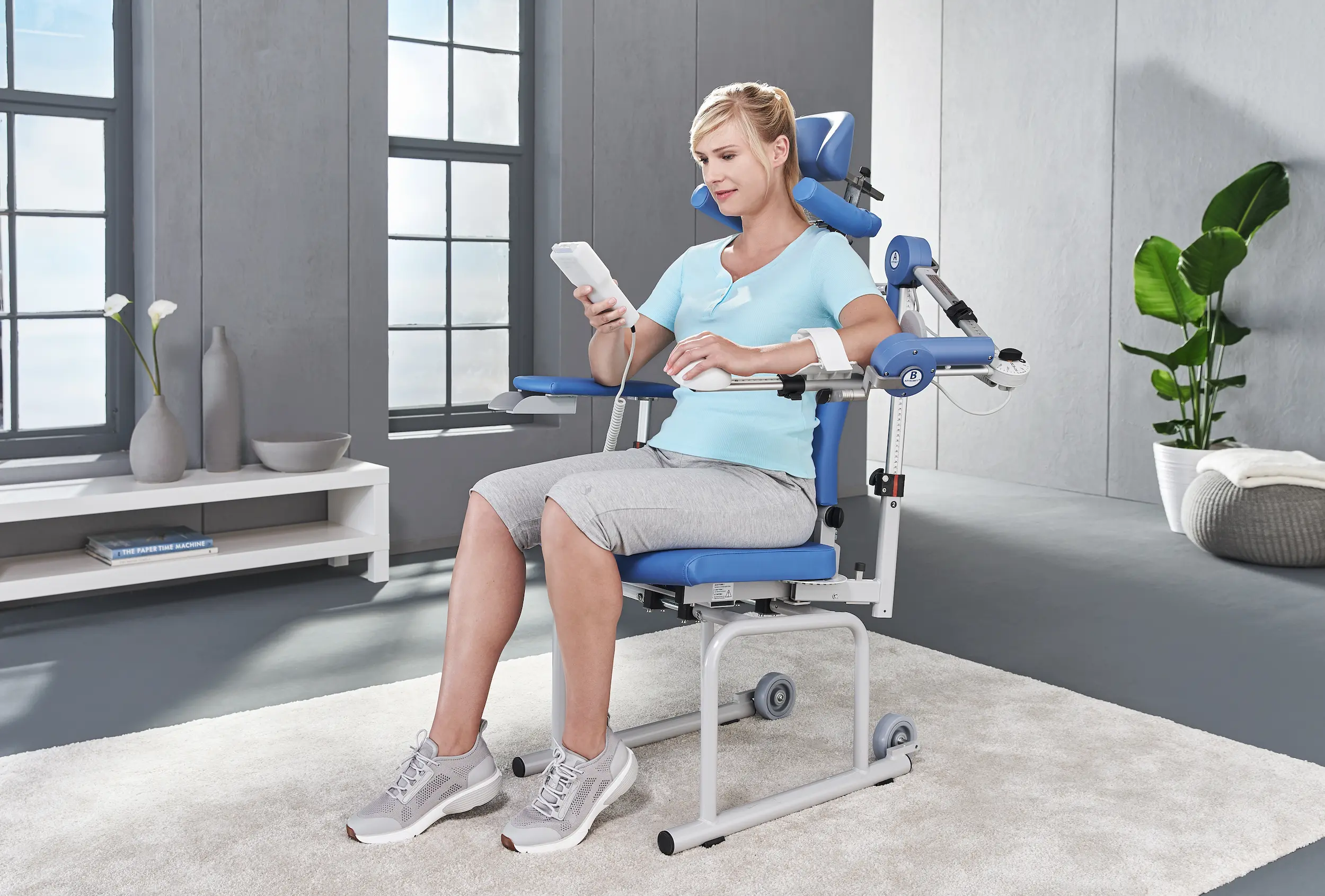
The ARTROMOT-S Classic has abduction/adduction and anteversion/retroversion. This allows it to perform the full figure 8. Rotation did exist as an optional third motor module (together with elevation), but in Practice no one wanted it, and it was never used.
The device does exactly what it is supposed to do: It performs the therapeutically meaningful movement, without unnecessary axes that could endanger a suture. WINTER Medizintechnik uses the S Classic in its Rental service because it is safe and easy for Patients to handle at home.
ARTROMOT-S4: full range of functions for Professionals
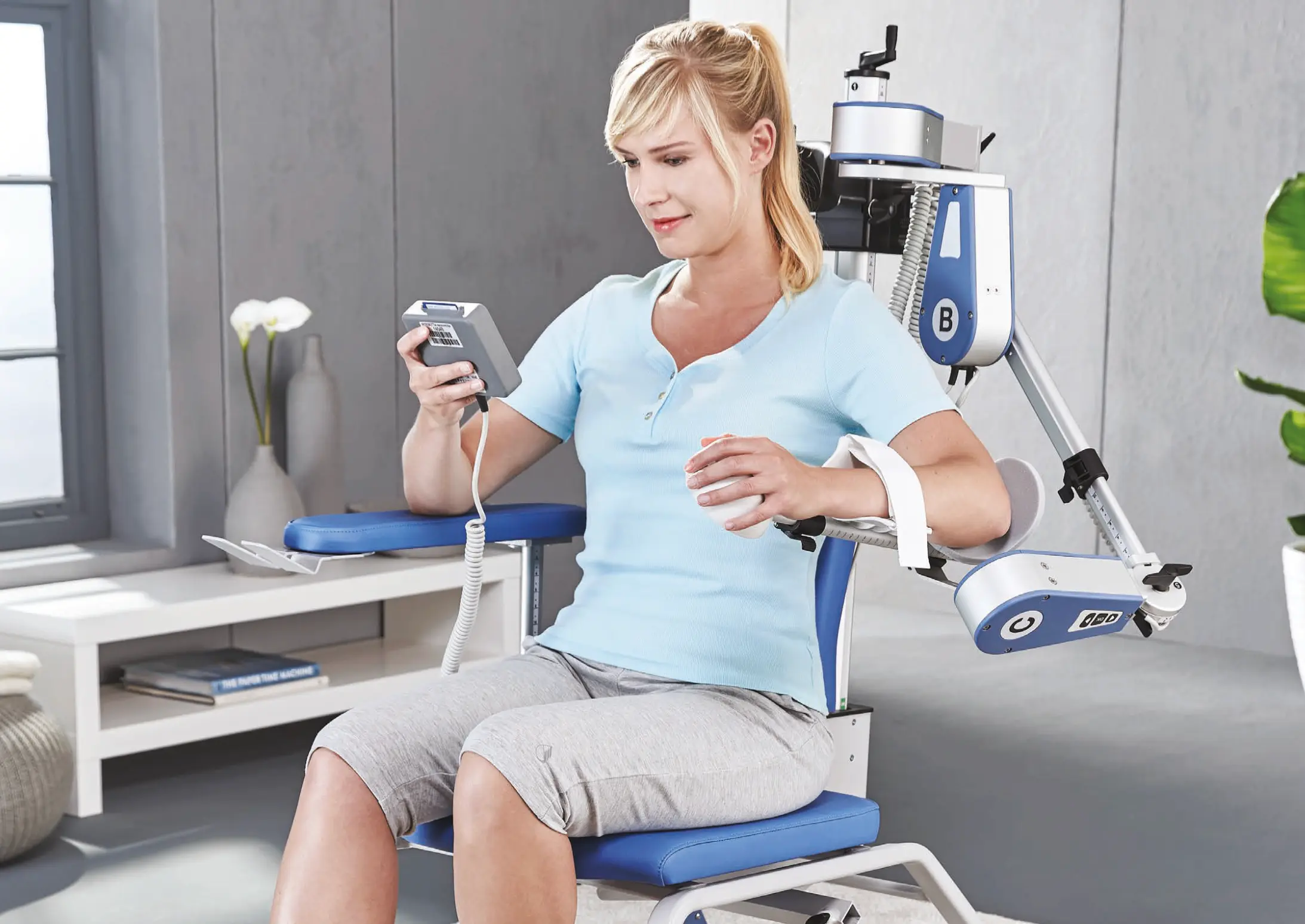
The ARTROMOT-S4 can perform all three axes: abduction/adduction, anteversion/retroversion and rotation. Since only two motors run at the same time, in everyday clinical use the two therapeutically meaningful axes are selected and the rotation is switched off. The result is exactly the same figure-eight movement as with the S Classic.
The difference: The S4 has the full range of functions in reserve if an expanded movement is indicated under Professional supervision. That is why WINTER Medizintechnik recommends the S4 for Sale to hospitals and Practices, where trained staff control the settings.
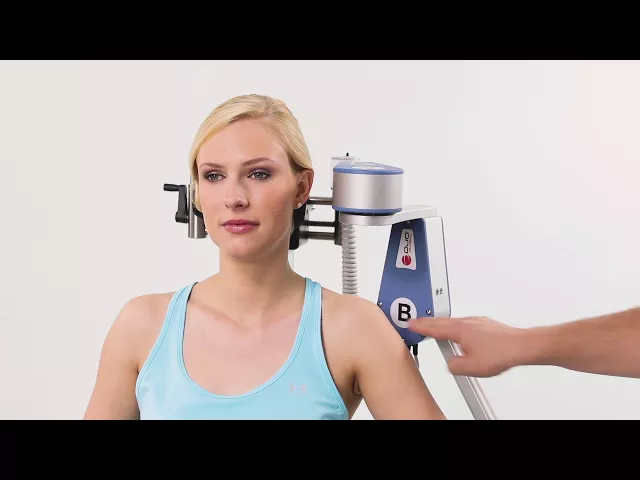
The corresponding blog article from WINTER Medizintechnik offers a detailed look at the comparison between ARTROMOT-S3 and S4.
ARTROMOT-S3: limited movement with the wrong add-on
The ARTROMOT-S3 combines abduction/adduction with rotation. The rotation is coupled according to the physiotherapeutic PNF pattern: abduction is accompanied by external rotation, adduction by internal rotation.
That sounds like a well-thought-out system. The problem: Anteversion/retroversion is missing. The S3 cannot perform the figure 8. If it is used safely and the rotation is deactivated, only a limited movement remains. The only additional axis is, of all things, the risky rotation. The result is a smaller movement with weaker lymphatic drainage and less therapeutic effect.
Kinetec Centura (2 motors): the same problem as the S3
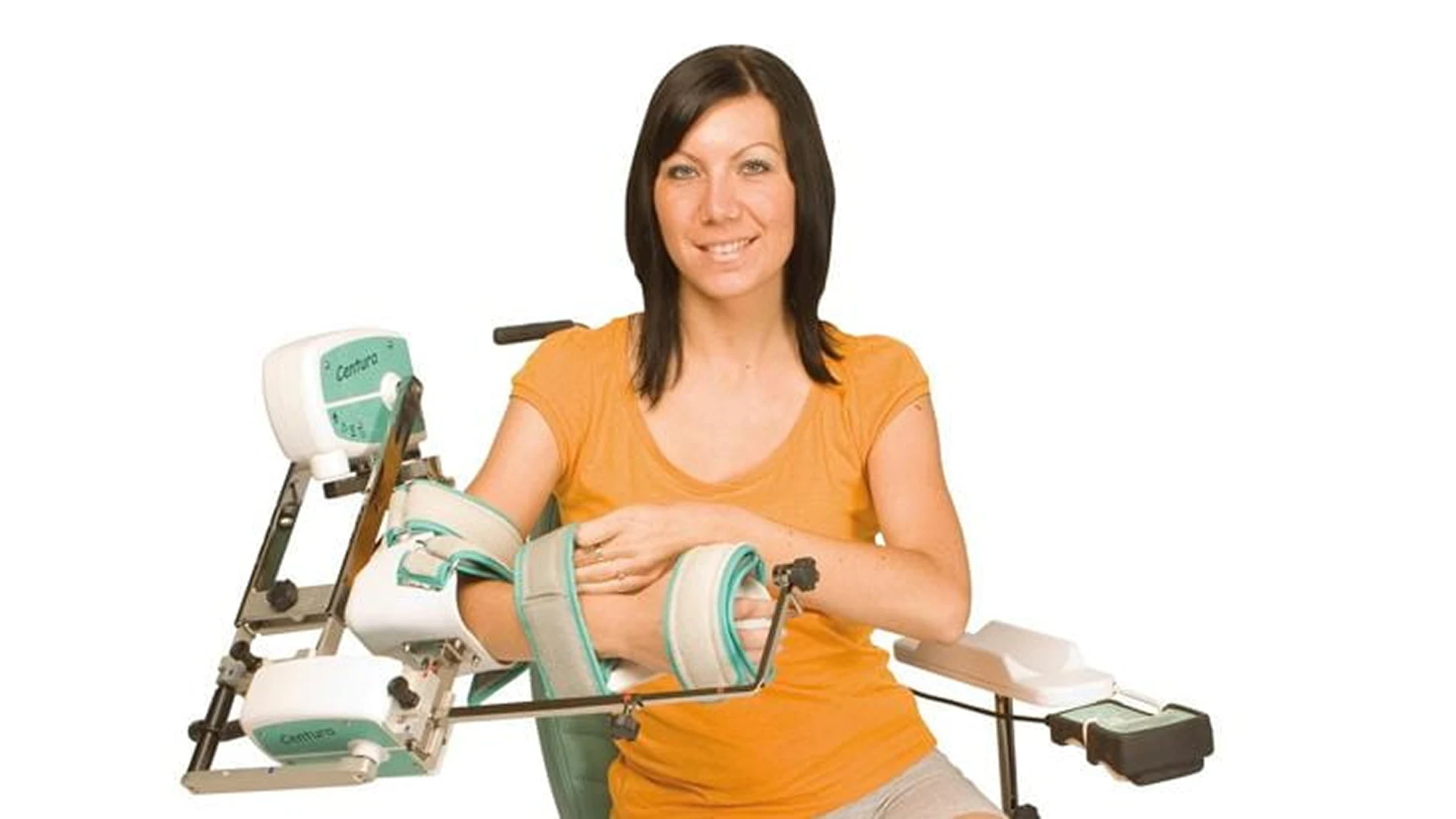
The Kinetec Centura (2 motors) works on the same principle as the S3: abduction/adduction plus a second motor for rotation. In the older Kinetec version, this was still a suspended cord; in the Centura, it is a real motor.
Nothing changes regarding the therapeutic limitation: Anteversion/retroversion is missing. The figure 8 is not possible. The disadvantages are identical to those of the S3: a smaller movement amplitude, weaker lymphatic drainage, and the risk factor of rotation is still present.
Which Device for whom? The clear recommendation
It is not the number of motors that determines quality, but which movement the device actually performs in everyday use. Abduction/adduction plus anteversion/retroversion beats abduction/adduction plus rotation.
Patients in home care use: The ARTROMOT-S Classic is the right choice. It is safe, easy to use, and it performs the therapeutically decisive figure 8.
Hospitals and Practices: The ARTROMOT-S4 offers the same figure-eight movement in everyday use, but has the full range of functions in reserve for specialized clinical applications under Professional supervision.
ARTROMOT-S3 and Kinetec Centura (2 motors): Less suitable for shoulder CPM because they lack anteversion/retroversion and therefore the figure 8 is not possible.
Anyone interested in the Rental service for shoulder and other CPM Devices will find direct advice from WINTER Medizintechnik on Indication and device selection. For Professionals, it is also worth taking a look at the video material on the devices to compare the movement sequences directly.
FAQ: Frequently asked questions about the Shoulder CPM device
What is the difference between ARTROMOT-S3 and S4?
The S4 has three axes, including anteversion/retroversion, and can therefore perform the figure 8. The S3 instead combines abduction/adduction with rotation according to the PNF pattern and cannot perform the figure 8. For shoulder CPM, the S4 is the more therapeutically effective choice.
Is rotation dangerous with a Shoulder CPM device after surgery?
Motorized rotation can strain the freshly operated suture and, in the worst case, cause it to tear open. It is not therapeutically needed for passive shoulder rehabilitation. With the S4, rotation can be switched off; in Practice, the two therapeutically meaningful axes are selected.
What exactly is the figure-eight movement?
The figure-eight movement is created when abduction/adduction and anteversion/retroversion are combined simultaneously. The arm describes a large figure eight across several planes. This wide-ranging, continuous movement supports lymphatic drainage and is gentle on the sutures because no rotation takes place.
Why can't the Kinetec Centura perform the figure 8?
The Kinetec Centura (2 motors) combines abduction/adduction with rotation. Anteversion/retroversion is not present. Without this second translation axis, the figure 8 is not possible, regardless of how many motors the device has.
When do I need a shoulder CPM Device?
Shoulder CPM devices are used for passive shoulder movement after Surgery. The exact Indication and the start of Therapy are determined by the treating Doctor or physiotherapist.