What it's about
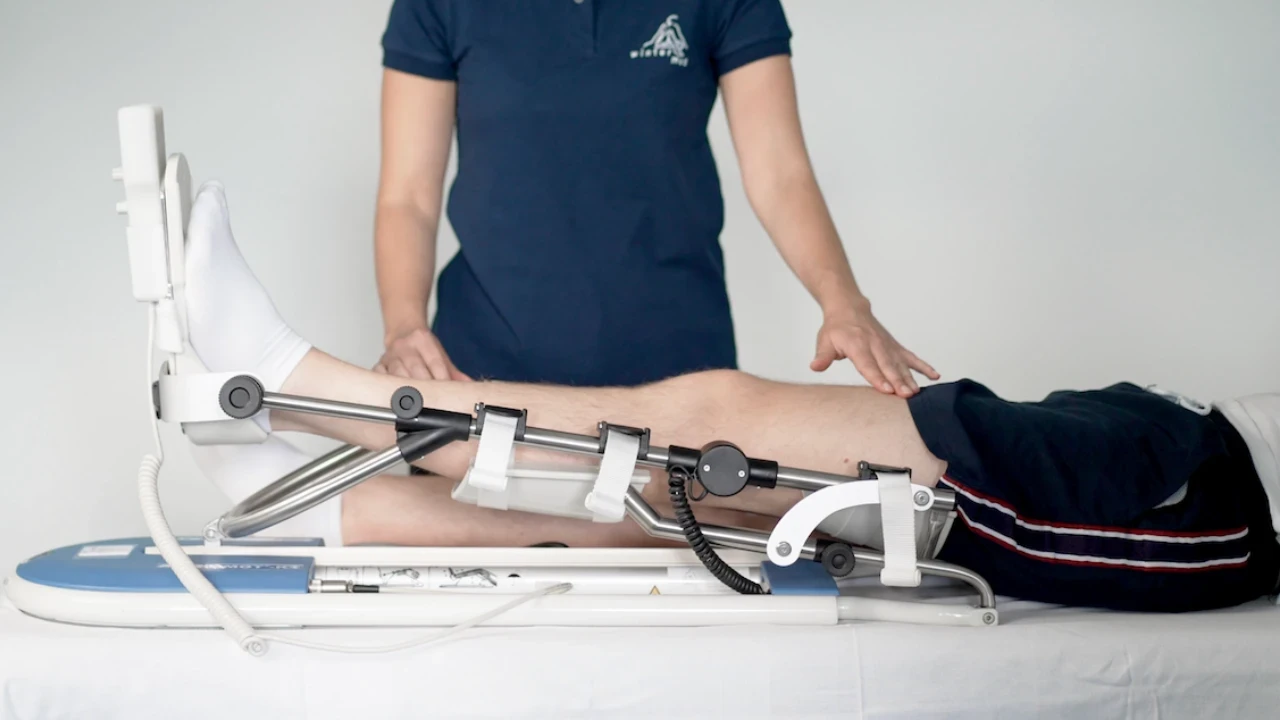
CPM moves the Knee passively, without active muscle work by the patient.
Early movement after surgery prevents Joint stiffness and scarring.
The Motion angle is adjusted individually according to medical instructions.
ARTROMOT Devices are delivered directly to your home, with personal instruction.
The Rental is covered under MiGeL, and the Health insurer contributes to the costs with a medical Prescription.
After knee surgery, the first phase of rehabilitation largely determines how well the joint functions in the long term. CPM therapy, i.e., continuous passive motion with a motorized CPM device, starts exactly there: it moves the knee joint gently and in a controlled manner, even if you cannot or are not yet allowed to train actively yourself.
What is CPM therapy exactly?
Continuous Passive Motion, or CPM for short, refers to a treatment method in which a device guides the joint rhythmically and evenly through a predefined range of motion. What makes it special: the patient remains completely passive. The muscles do not have to do any work. The device performs the entire movement, precisely, without fatigue, and according to angles defined by the doctor.
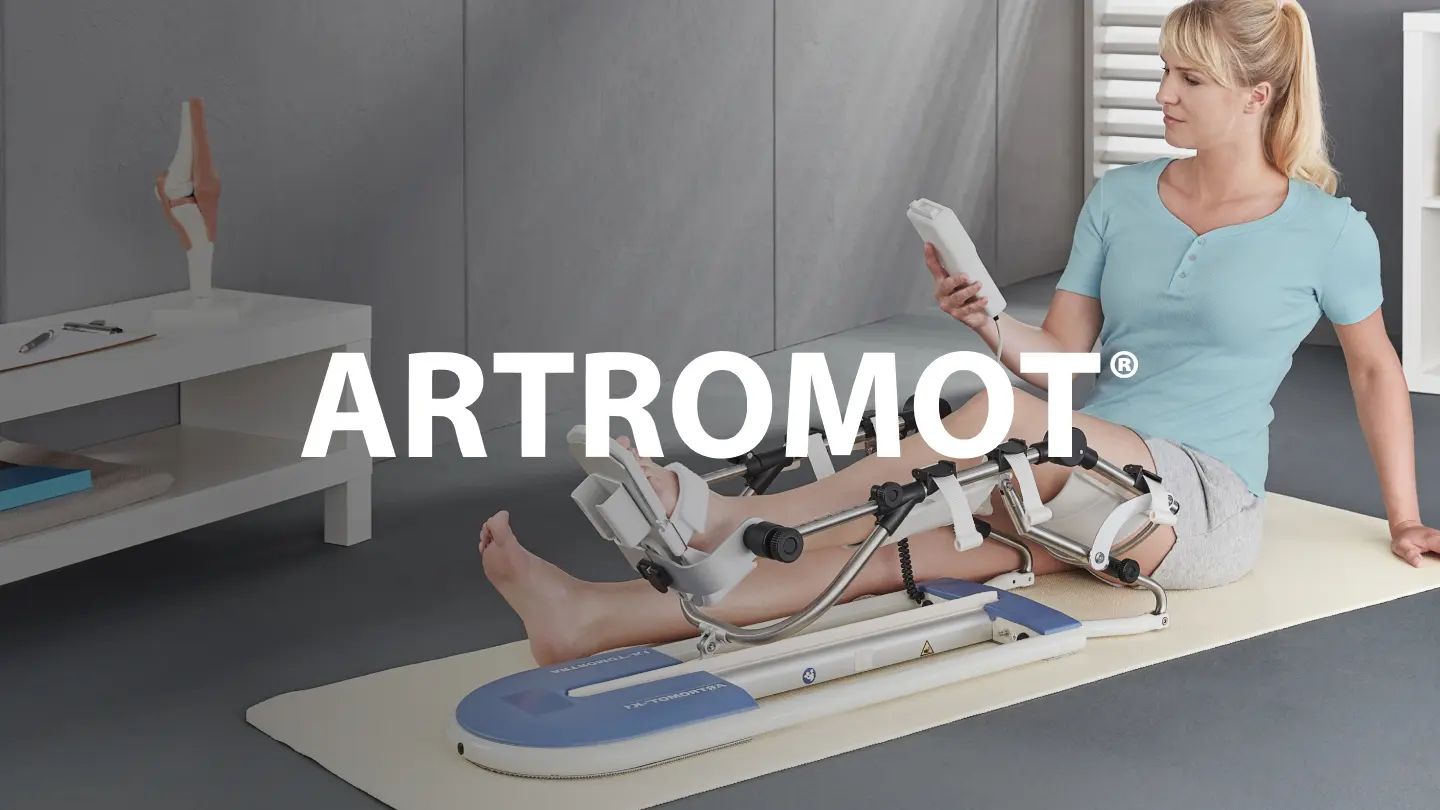
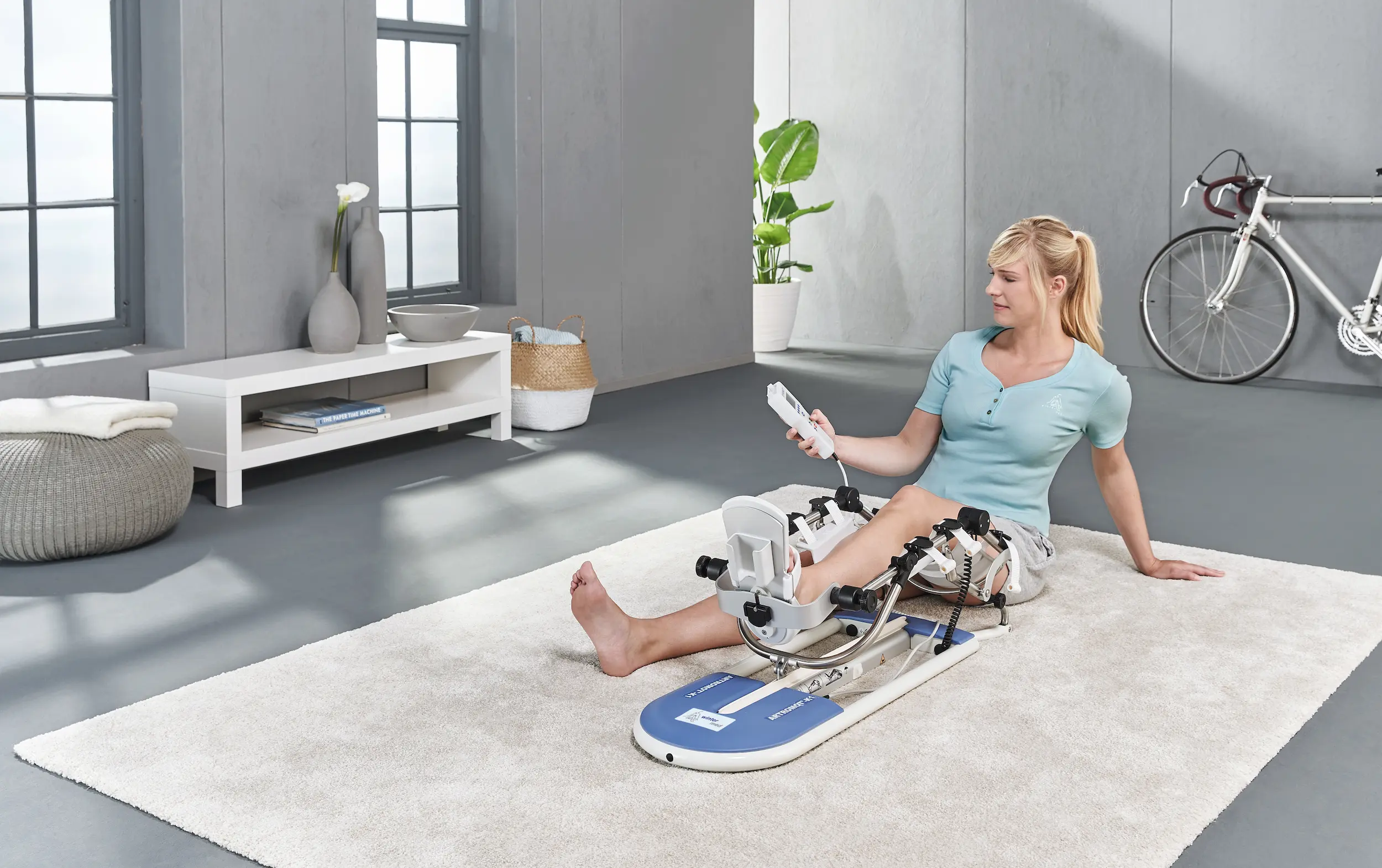
With knee CPM, the leg is placed in the device. The motor repeatedly bends and extends the knee joint, with an adjustable angle range and speed. A typical ARTROMOT device, such as those rented out by WINTER Medizintechnik in Switzerland, allows stepless adjustment of flexion and extension so that the therapy can be adapted precisely to the current stage of healing.
Why is early movement after knee surgery so important?
An operated knee joint tends to stiffen during the resting phase. Scar tissue forms, the joint capsule contracts, and the synovial fluid circulates less effectively. Early movement, even if it is passive, actively counteracts this process.
Nutrition of the cartilage: Articular cartilage has no blood vessels. It receives nutrients through diffusion from the synovial fluid, which is promoted by movement.
Prevention of adhesions: Passive movement keeps the joint space free and reduces the risk of disruptive scarring in the joint.
Reduction of swelling: The pumping effect of movement supports the removal of swelling fluid from the tissue.
Psychological effect: Those who feel that the knee is moving again often maintain more confidence in the healing process.
The timing for starting CPM is determined by the surgeon and depends on the type of procedure. For many knee procedures, therapy is started while still in the hospital and then continued at home.
Which knee surgeries is CPM used for?
CPM therapy is used for various knee surgeries. The most common indications in practice are:
Procedure | Typical goal of CPM | Note |
|---|---|---|
Total knee joint replacement (knee total joint replacement) | Early mobilization, maintaining joint flexion | Use according to medical indication |
Anterior cruciate ligament reconstruction (ACL) | Promote mobility, inhibit scar formation | Angle initially limited |
Cartilage repair (e.g., microfracture) | Cartilage nutrition, gentle movement without load | CPM often recommended |
Meniscus surgery | Early mobilization after suturing or partial resection | Depending on the extent of surgery |
Important: Your surgeon decides which aftercare method is appropriate. CPM therapy complements physiotherapy; it does not replace it. You can find more about the device options on the product page for motorized knee CPM devices from WINTER Medizintechnik.
How does a typical CPM application at home work?
Home use is easier than many patients expect, especially because WINTER Medizintechnik provides personal support during setup. A typical process looks like this:
Delivery to your home: The ARTROMOT device is delivered directly to your home, usually on the day after discharge from the hospital or by arrangement with the surgeon.
Personal instruction: A specialist advisor from WINTER Medizintechnik explains how to operate it on site. You receive clear instructions on angle setting, speed, and duration of use.
Positioning and adjustment: The leg is placed comfortably in the device. Pads and guide rails are adjusted to your body geometry.
Use: Most protocols call for several sessions per day. Your doctor determines the exact duration and frequency.
Increasing the angle: As healing progresses, the motion angle is gradually increased according to medical instructions.
The CPM device performs the passive work. Your task is to lie still, breathe, and give the joint time.
If you would like to review the operation again, WINTER Medizintechnik also offers a video guide for setting up the knee CPM device.
What distinguishes a good CPM device?
Not all CPM devices are the same. The ARTROMOT knee CPM devices that WINTER Medizintechnik distributes and rents out in Switzerland as the official factory representative are characterized by the following features:
Stepless angle adjustment for flexion and extension
Smooth, quiet motor operation
Easy operation via handheld control
Robust construction for home use
Hygienic padding, easy to clean
The devices are designed for postoperative rehabilitation and are suitable for medical home use. On the rental service page for knee CPM devices, you will find further details about the available models.
How does the rental service from WINTER Medizintechnik work?
WINTER Medizintechnik offers a complete rental service with delivery, instruction, and pickup after completion of therapy. The process is straightforward:
You or your doctor makes contact, ideally before discharge from the hospital.
WINTER Medizintechnik organizes the delivery appointment and instruction according to your preferences.
The device is brought to your home, adjusted, and explained.
After the rental period ends, the device is picked up again.
The rental costs for ARTROMOT knee CPM devices are reimbursable through the List of Aids and Devices (MiGeL) of Swiss health insurance providers. This means: your health insurer contributes to the costs, provided a medical prescription is available. The article Costs and benefits of the CPM device after knee surgery explains more about the financial aspects.
If you would like to submit a request directly, you can use the online order form for knee CPM device rental.
Frequently asked questions about CPM therapy for the knee
Is CPM therapy painful?
The application should not be painful. The device moves the joint within a predefined angle range that is always below the pain threshold. If you feel pulling or discomfort, the angle can be reduced. Severe pain is a signal to interrupt the application and consult your doctor.
How long does the rental phase typically last?
The rental duration depends on the medical treatment plan and the type of surgery. In many cases, the device is used for several weeks after surgery. Your surgeon specifies the exact duration.
Can I also use the device at night?
Some protocols also include nighttime applications, especially in the first week after surgery. However, this is decided by the treating doctor. ARTROMOT devices are designed for longer applications and also work reliably at night.
Does the CPM device replace physiotherapy?
No. CPM and physiotherapy complement each other. The device performs passive mobilization, while physiotherapy develops active strengthening, coordination, and functional mobility. Both components are part of a complete rehabilitation program.