What it's about
Passive motion maintains cartilage metabolism even without active muscle strength.
Recommended protocol: 3-5 sessions daily of 20-30 minutes, directly postoperative.
Early passive mobilization reduces thrombosis risk, muscle atrophy, and adhesions.
Home therapy with CPM devices significantly increases treatment frequency.
Passive therapy creates the foundation so that active rehab takes effect more quickly.
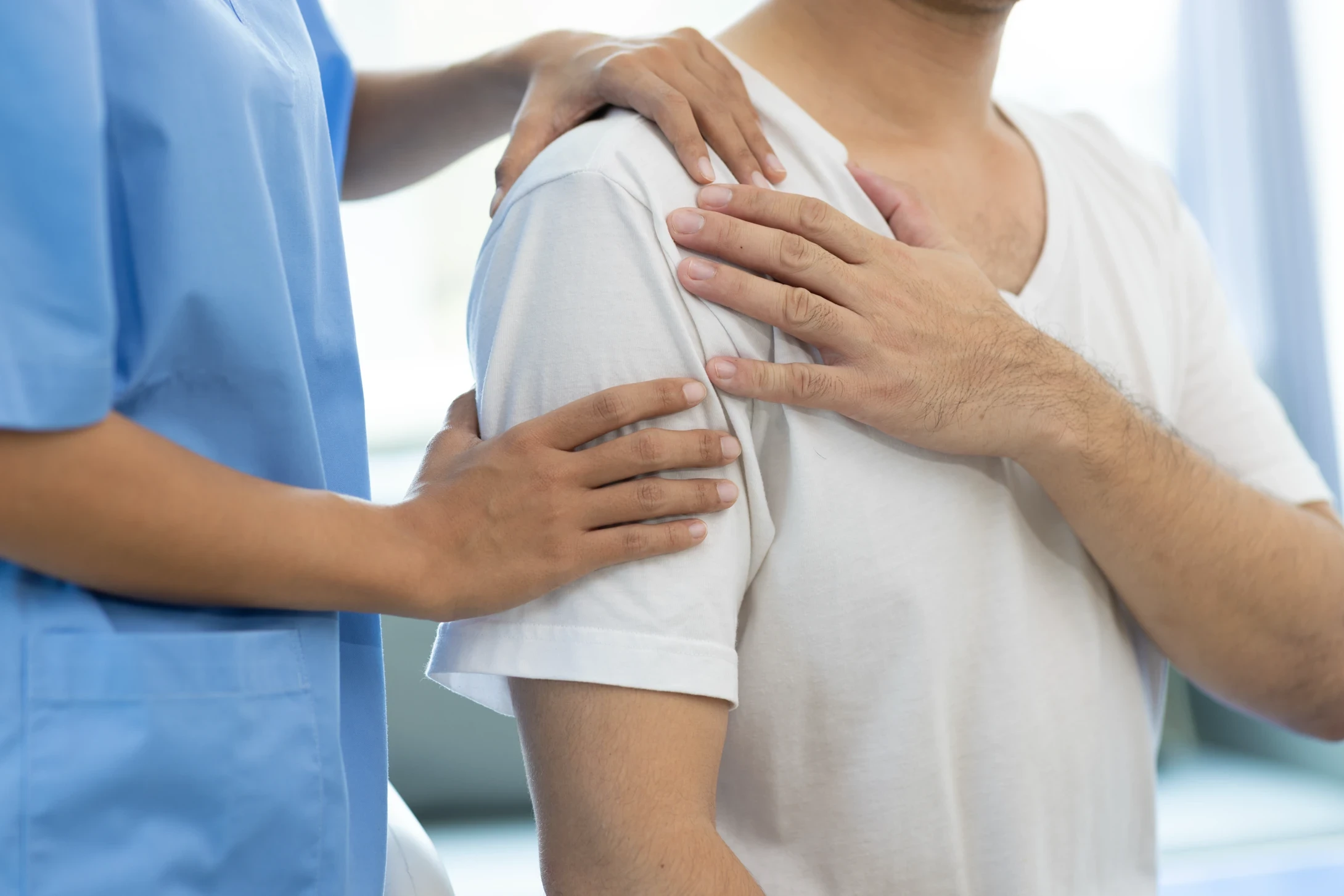
After joint surgery, a crucial question quickly arises: How can the operated tissue be protected while also promoting healing? Passive motion therapy provides a clear answer. It moves the joint in a controlled manner without the patient having to use active muscle strength, thereby laying the foundation for structured rehabilitation.
What is passive motion therapy?
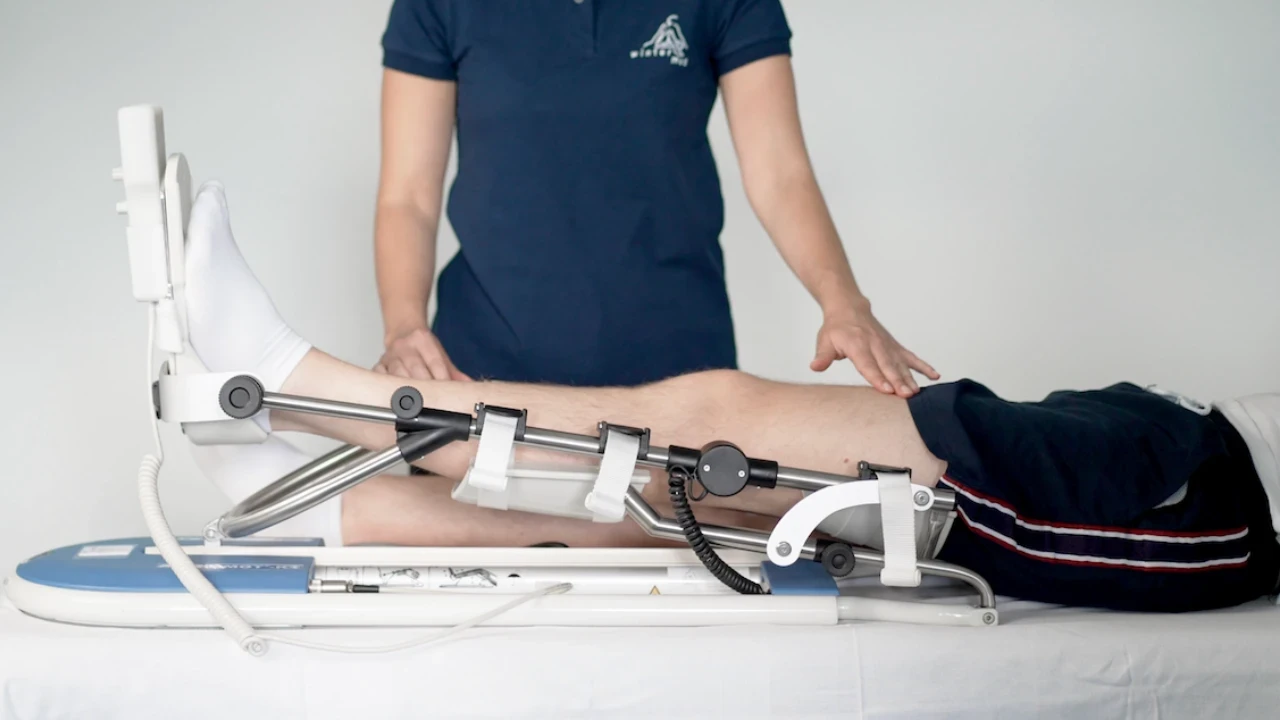
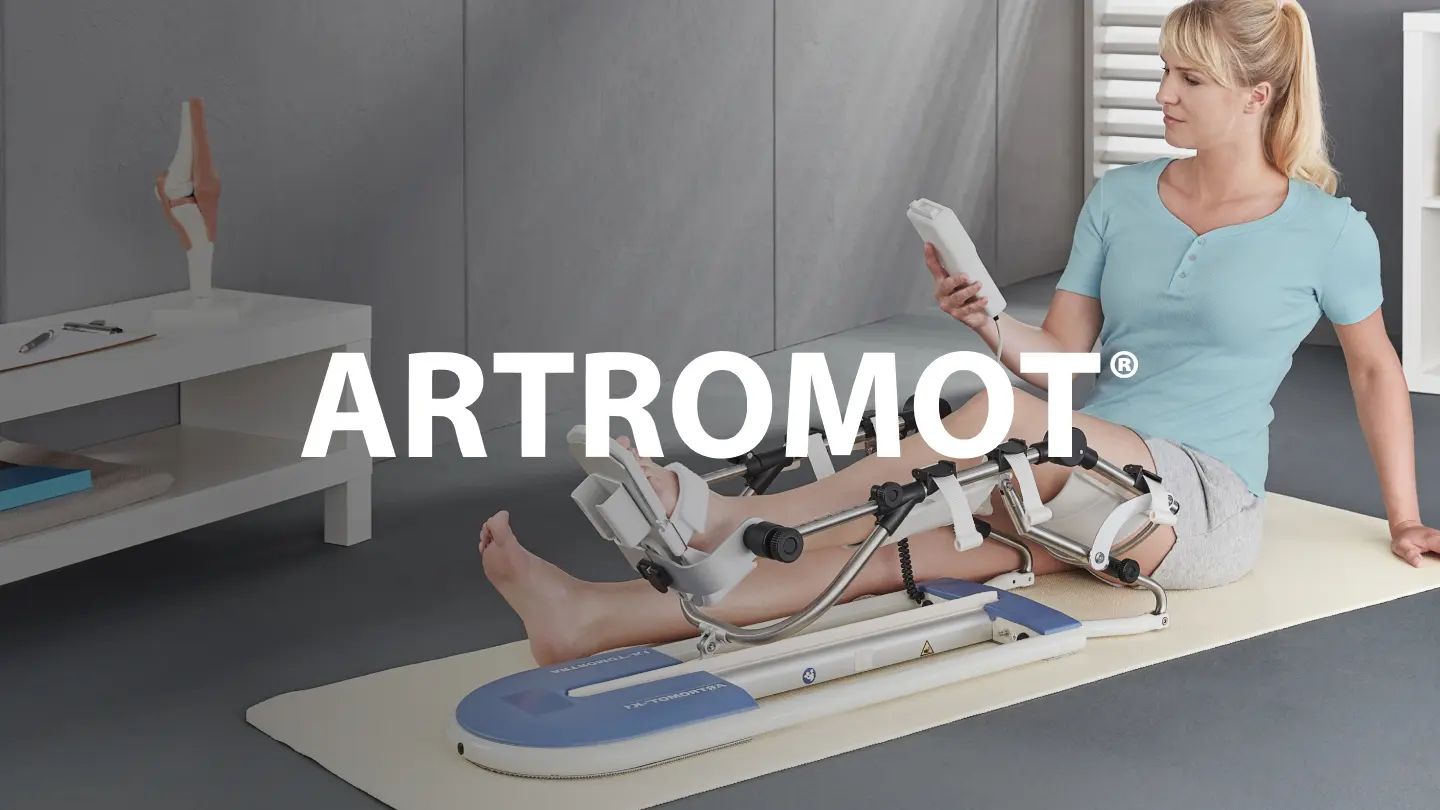
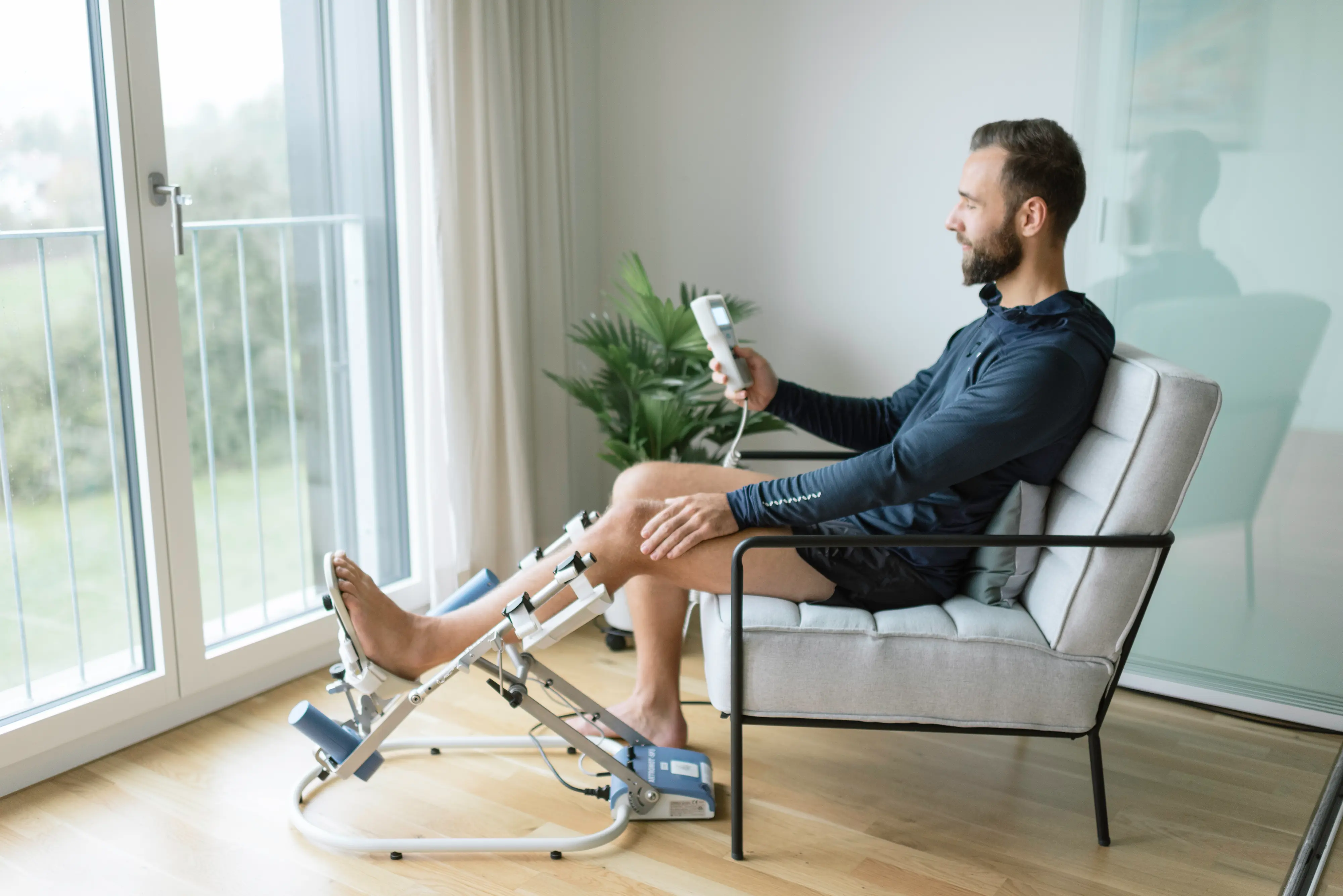
Passive motion therapy refers to all forms of movement in which the joint is guided externally, either by a device or a therapist. The patient remains passive. In clinical and home settings, a motorized CPM device (Continuous Passive Motion, or CPM) is often used for this purpose. The device slowly and repeatedly guides the joint through its range of motion within a predefined angle range.
The aim is to preserve joint function and create the physiological conditions for later active loading before muscles and ligaments are fully able to bear weight.
What physiological effects does passive motion have?
The body responds to immobilization with a cascade of changes that significantly slow recovery. Passive motion specifically addresses the areas where inactivity causes the greatest damage.
Joint metabolism and cartilage supply
Cartilage has no blood supply of its own. It is nourished by diffusion from the synovial fluid (synovial fluid). Movement pumps this fluid through the joint space, ensuring the supply of nutrients and the removal of waste products. Without regular movement, this cycle stagnates and cartilage degradation accelerates. CPM therapy keeps this metabolic process stable, even when active loading is not yet possible.
Venous and lymphatic return
Swelling after surgery is caused by fluid accumulation in the tissue. Passive motion promotes venous and lymphatic return from the affected area. Edema resolves more quickly, which improves the healing conditions in the tissue while also reducing the thrombosis risk.
Muscles and neuromuscular activation
Muscles rapidly lose strength and volume during inactivity. Passive motion preserves the extensibility of the muscles and keeps neuromuscular connections more active. As soon as the patient is allowed to begin active exercises, reactivation is much easier than after complete immobilization.
Protection against adhesions and scar tissue
Scar tissue forms after surgery. At rest, it tends to connect with neighboring structures and restrict gliding surfaces. Regular guided movement prevents these adhesions before they become clinically relevant.
What specific benefits does this bring for rehabilitation?
Aspect | Without passive mobilization | With passive motion therapy |
|---|---|---|
Range of motion | Restrictions due to stiffness | Stable preservation of range of motion |
Pain level | Increased joint stiffness, more pain | Mild analgesic effect through mechanical stimuli |
Swelling | Persistent edema possible | Faster reduction through improved return flow |
Adhesions | Higher risk of adhesions | Reduced through continuous movement |
Active rehab | Slower start from inactivity | Better starting point, faster progress |
For which surgeries is passive motion therapy used?
Knee surgeries
The most common area of use. After cruciate ligament reconstructions, meniscus surgeries or the insertion of a knee prosthesis, controlled early mobilization is the medical standard. A motorized knee CPM deviceenables precisely this start without stressing the freshly operated structures. More on the specifics of postoperative knee rehab can be found in the article about CPM devices after knee surgery.
Shoulder
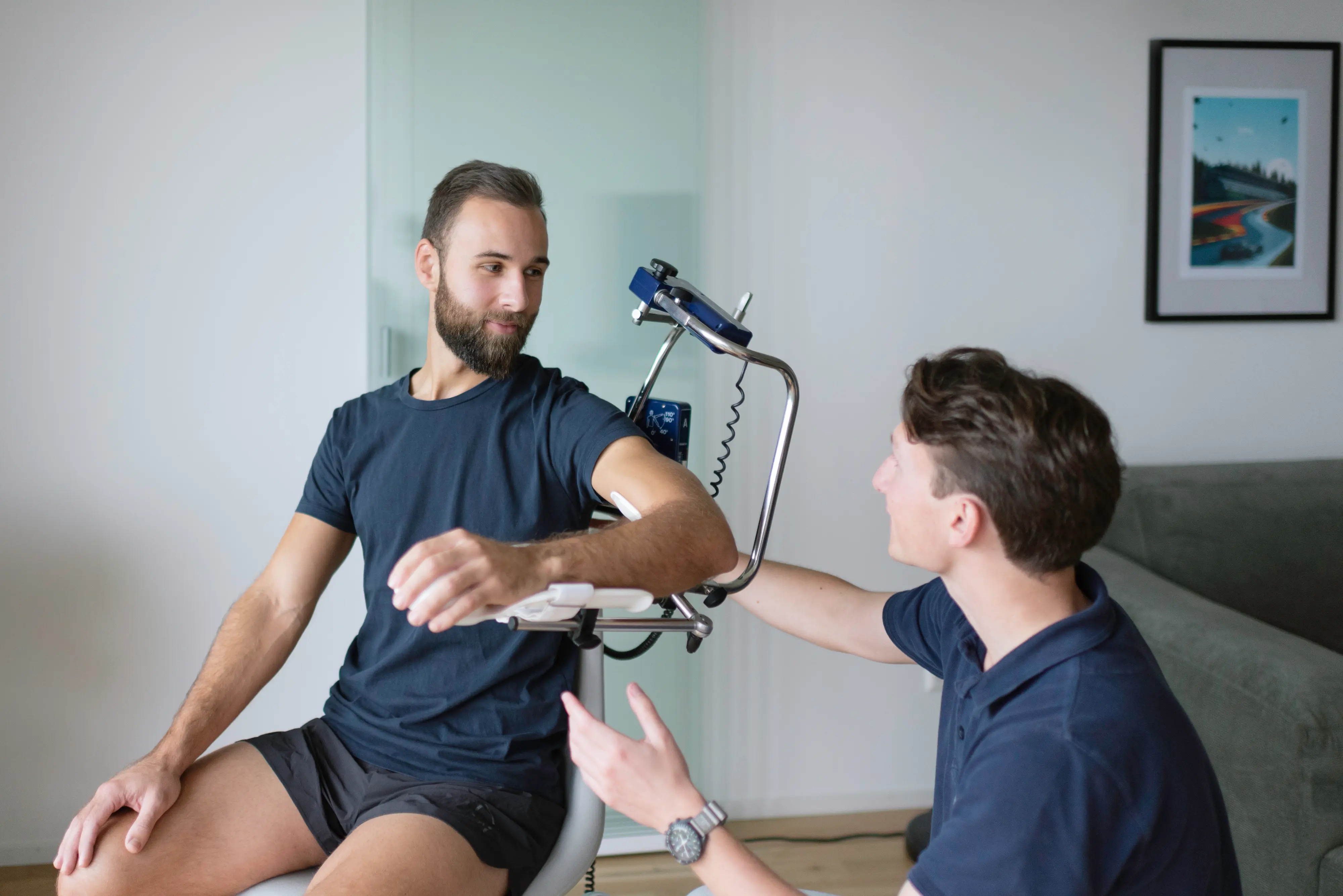
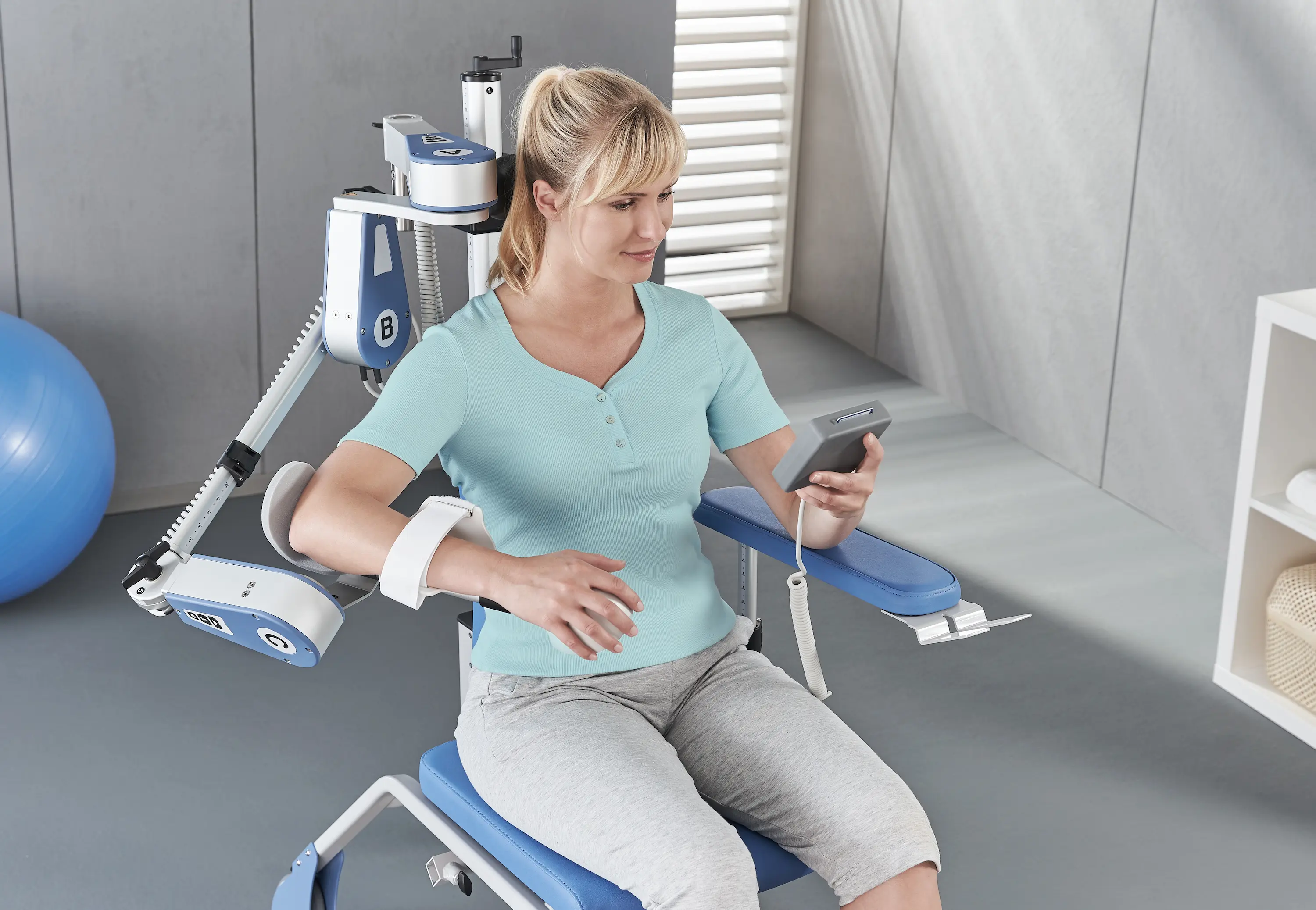
Tendon suture, labral reconstruction or the treatment of a Frozen Shoulder require a very precise therapy plan. Active loading too early endangers the suture material, while too little movement leads to shortening and capsular fibrosis. Passive motion provides the right middle ground here. Information on specific shoulder CPM devices in the rental service provides a good overview of the available options.
Hip, ankle and elbow
After arthroscopies, severe sprains or fractures, passive motion supports the preservation of joint function even in smaller or deeper joints. Ankle CPM devices are used, for example, after ligament reconstructions or ankle fractures.
What does practical use look like?
The recommended protocol usually provides for 3 to 5 application sessions daily of 20 to 30 minutes each . Therapy typically begins immediately postoperatively with a small motion angle and low speeds. Both are gradually increased over the following days and weeks, adapted to the healing process and the instructions of the treating doctor.
The intensity and range of motion are always prescribed by a doctor. The device implements these parameters precisely without the patient having to regulate the dosage themselves.
Modern CPM devices such as the ARTROMOT® devices allow individual adjustment of the motion angle, speed and therapy duration. Some devices, such as the ARTROMOT® ACTIVE-K, combine passive, active and coordinative movement modes so that the transition to active rehab can be made seamless.
Home therapy as the key to treatment frequency
In an inpatient setting, the number of daily therapy sessions is often limited by capacity. Home therapy with a rented CPM device solves this problem. The patient performs the applications at home, at the frequency prescribed by the doctor and after personal instruction. This significantly increases therapy density and bridges waiting times until outpatient physiotherapy begins. WINTER Medizintechnik offers a rental service for ARTROMOT® and Kinetec CPM devices with home delivery and personal instruction.
What passive motion therapy is not
Passive motion therapy does not replace active physiotherapy. It creates the prerequisites so that active therapy steps can be more effective later. Those who are mobilized passively early start the active phase with a more stable range of motion, less pain and better prepared tissue structures. This makes the overall process more structured and medically easier to control, not shorter in absolute terms, but more efficient in every individual step.
Frequently asked questions about passive motion therapy
When can CPM be started after surgery?
In many protocols, CPM therapy begins as early as the first postoperative day. The exact timing depends on the procedure, the material used and the doctor’s assessment.
Is the therapy painful?
No. CPM devices work within a pain-free range of motion defined by the doctor. Many patients even report a pain-relieving effect during use, as rhythmic mechanical stimuli can positively influence pain processing.
How long does a therapy phase with passive motion last?
Depending on the procedure and healing process, passive motion therapy is used for a few weeks to several months. In complex cartilage repairs or prostheses, the phase may be longer than in simpler arthroscopic procedures.